Blood Cultures Explained: How Microbiology Tests for Bloodstream Infections
Learn how blood cultures work, when they are taken, what pathogens they detect, and how microbiology laboratory results are interpreted in suspected bacteraemia and sepsis.
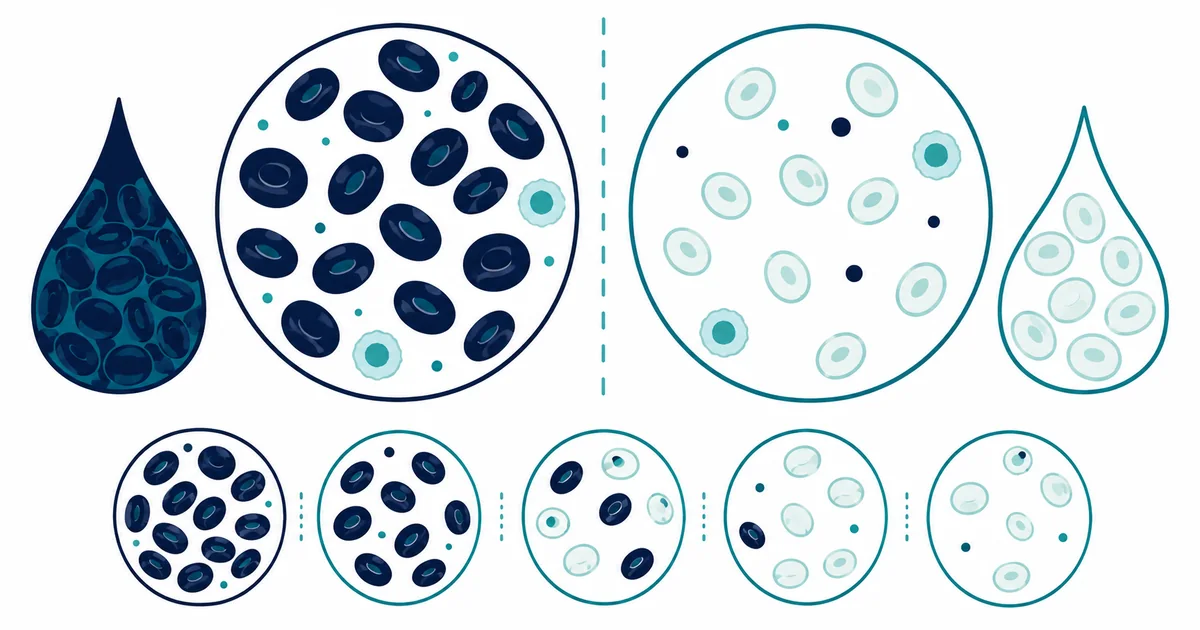
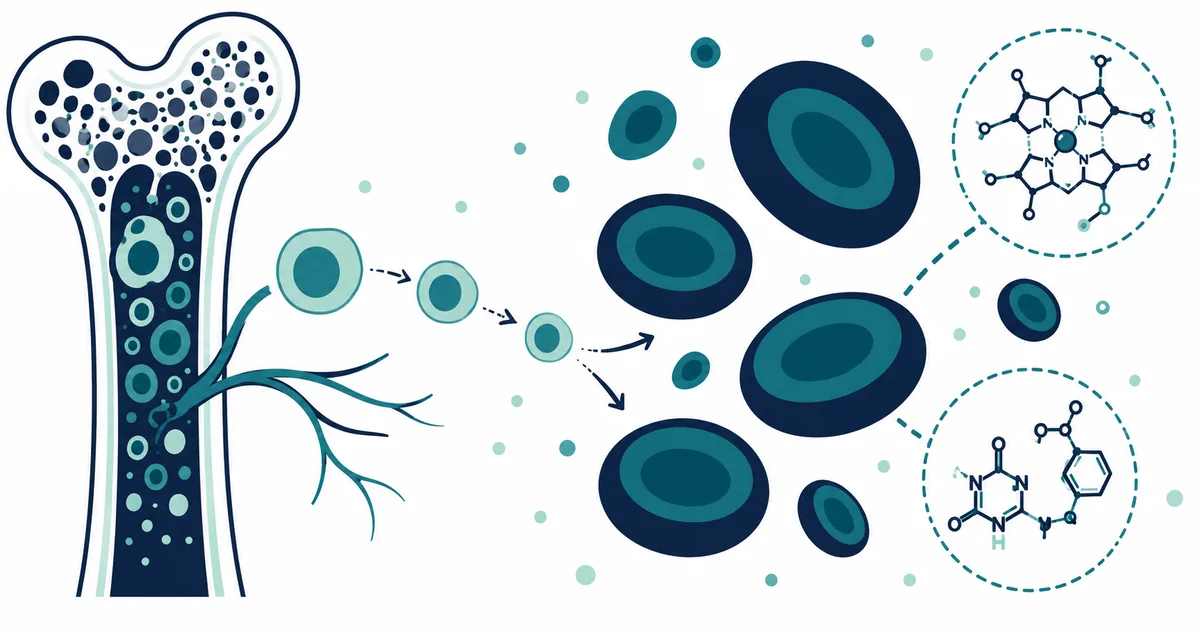
Explore the main types of anaemia, their underlying causes, and how full blood count and other laboratory tests are used to classify and diagnose them.
Understand what vitamin B12 and folate blood tests measure, what causes deficiency, and how laboratory results are interpreted in clinical practice.
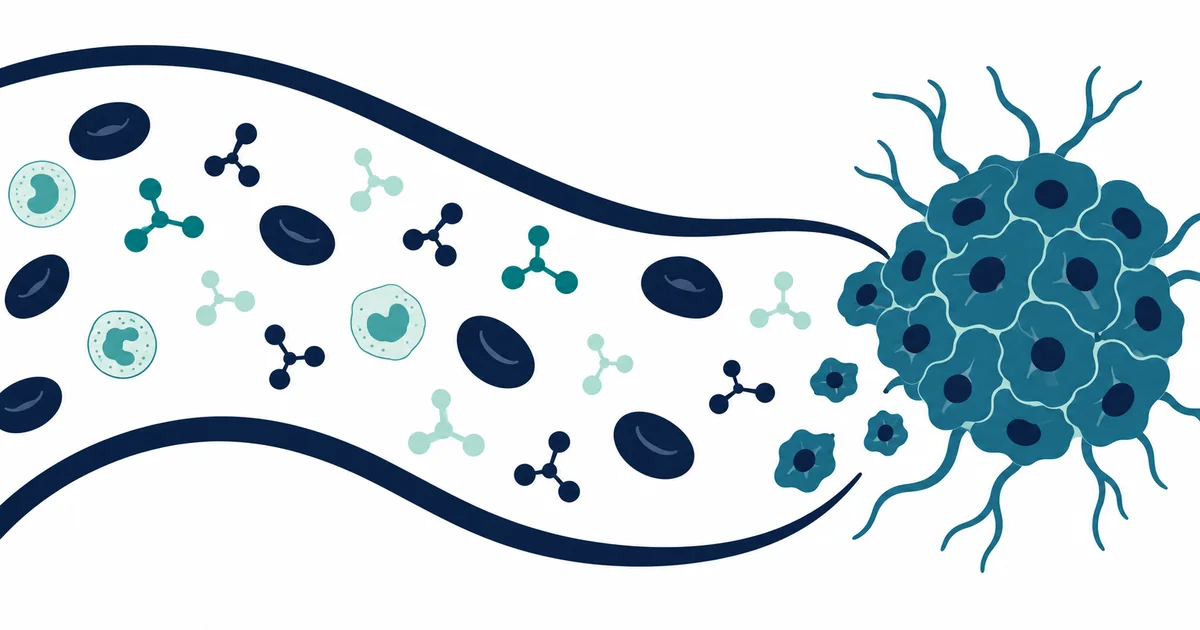
Learn what tumour markers are, how PSA, CA-125, CEA, and AFP tests work, and what elevated levels may indicate in a clinical context.
Reading scientific papers is a core skill for biomedical students and healthcare professionals. This guide walks through the structure of a research paper and explains how to critically evaluate each section.
Inflammation markers including ESR, CRP, ferritin, and procalcitonin help detect and monitor inflammation and infection. This guide explains what each measures and how they are used together.
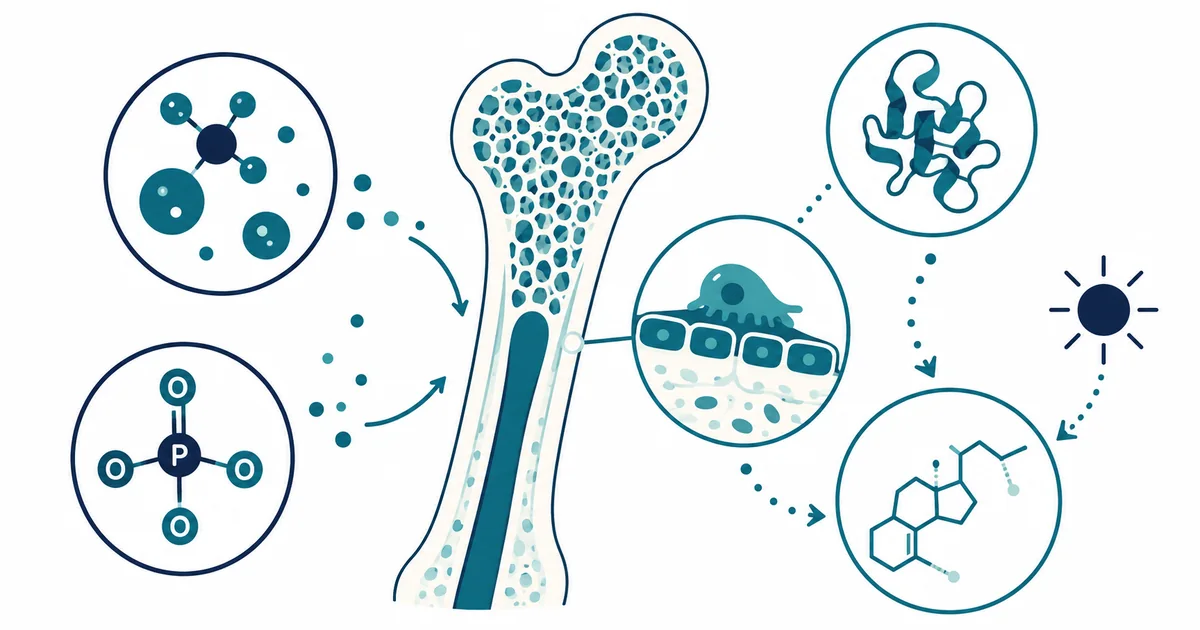
A bone profile blood test measures calcium, phosphate, alkaline phosphatase (ALP), and sometimes vitamin D to assess bone health and mineral metabolism. This guide explains each component.
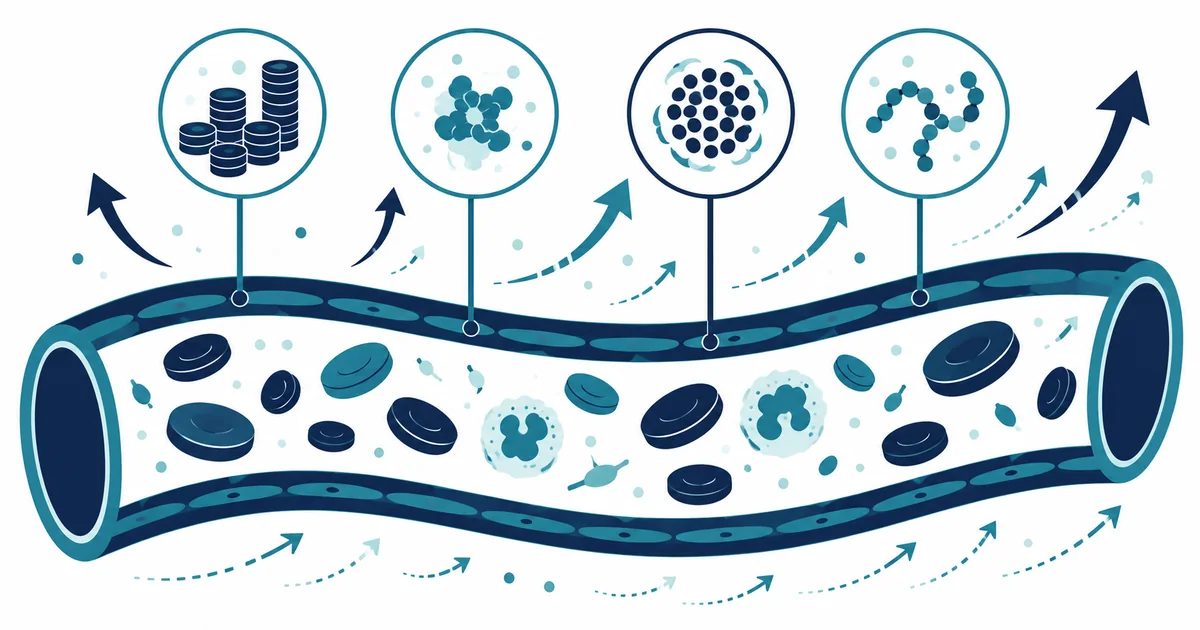
Coagulation tests including PT, INR, APTT, fibrinogen, and D-dimer assess the blood’s ability to clot. This guide explains what each test measures and when it is used.
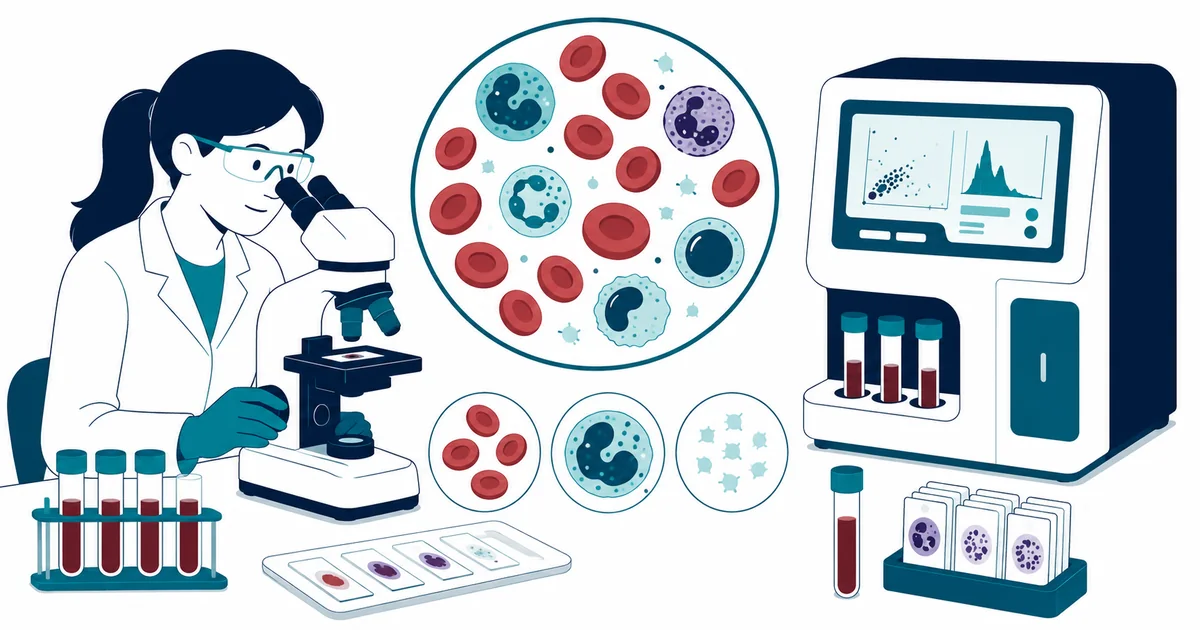
Haematology is the branch of medicine and science concerned with blood, blood-forming organs, and blood disorders. This guide introduces the field, its key components, and what haematologists do.
Urinalysis examines the physical, chemical, and microscopic properties of urine to detect kidney disease, infection, diabetes, and more. This guide explains what each component measures.