Want to go deeper?
See how the immune system is tested, from antibodies to autoimmune markers.
Start Here →T Cells vs B Cells T Cells vs B Cells: What’s the Difference and How Are They Tested? T cells vs B cells is a comparison between the two major lymphocyte arms of adaptive immunity. Both arise from haematopoietic stem cells in the bone marrow, but T cells mature primarily in the thymus and coordinate … Read more
Lupus Blood Tests Explained Lupus is an autoimmune condition that can affect different parts of the body, including the skin, joints, blood, kidneys, heart, lungs and nervous system. Because lupus can look different from person to person, blood tests are used as part of a wider clinical assessment. There is no single blood test that … Read more
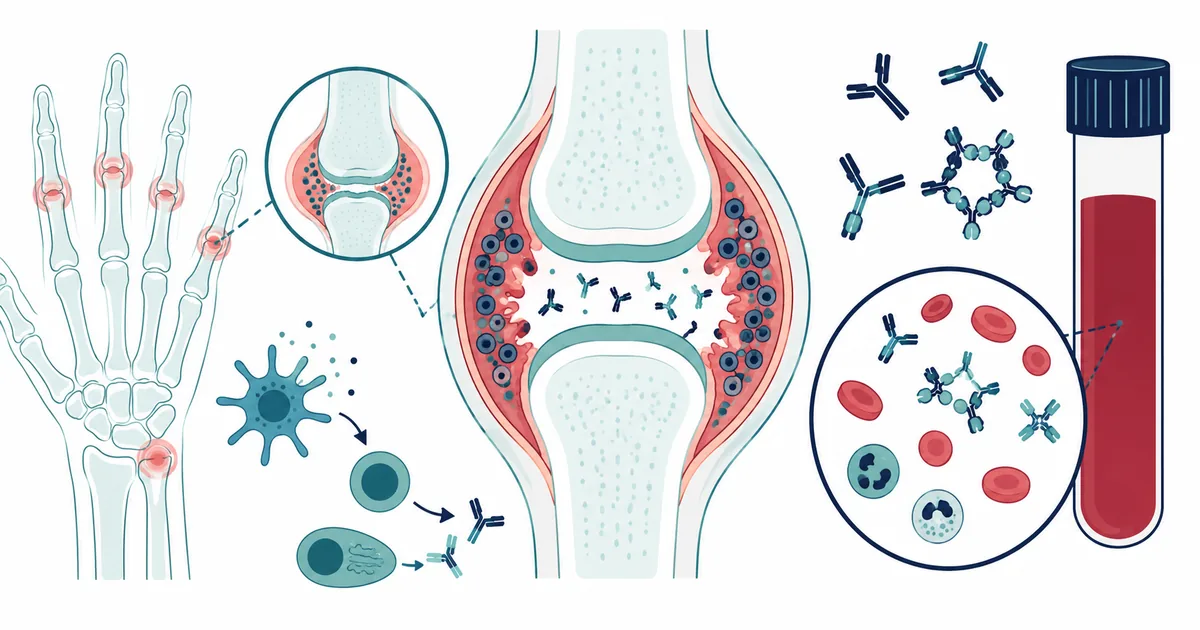
Rheumatoid Arthritis Blood Tests Explained Rheumatoid arthritis, often shortened to RA, is an autoimmune inflammatory joint condition. Blood tests can help support the investigation and monitoring of RA, but they do not diagnose the condition alone. Healthcare professionals usually consider: Symptoms Joint examination Duration and pattern of joint swelling Blood tests Imaging such as ultrasound … Read more
A comprehensive introduction to how the immune system works, covering innate and adaptive immunity, key cell types, and how laboratory tests assess immune function.
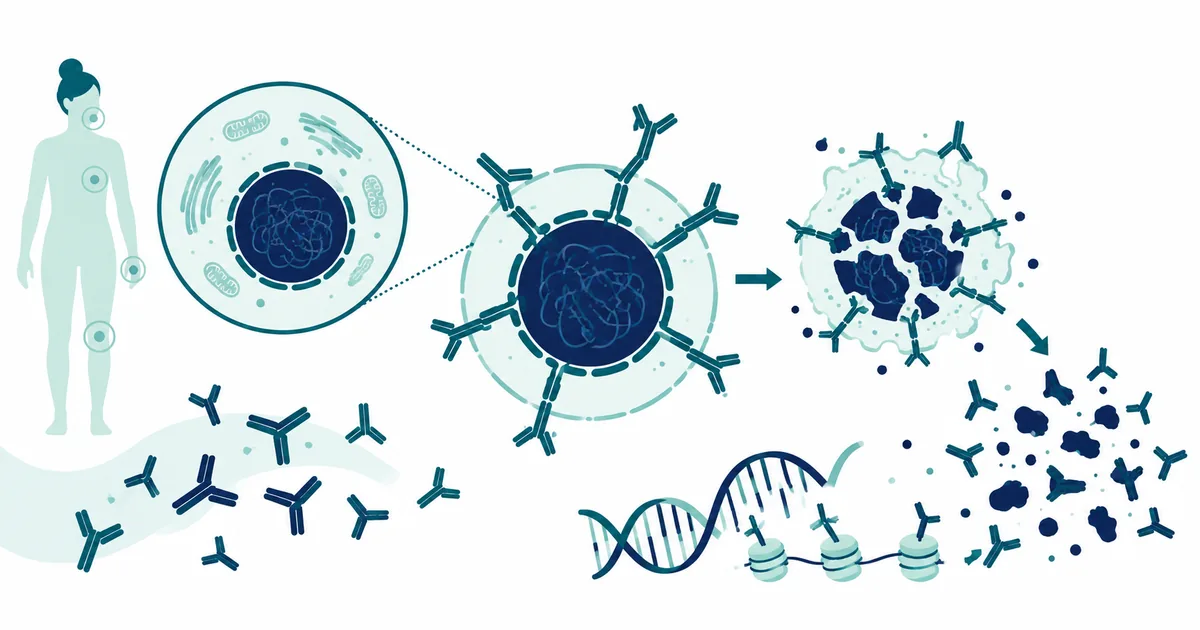
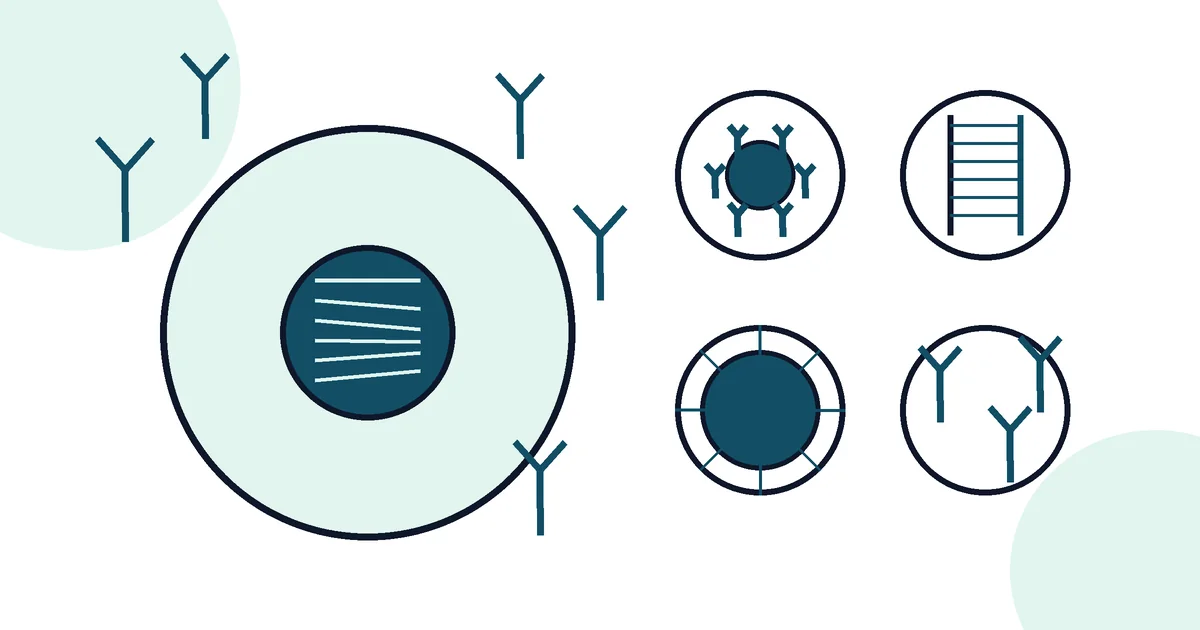
Learn how autoimmune blood tests work, including ANA, anti-dsDNA, ANCA, and rheumatoid factor, and how these antibody tests are interpreted in clinical immunology.
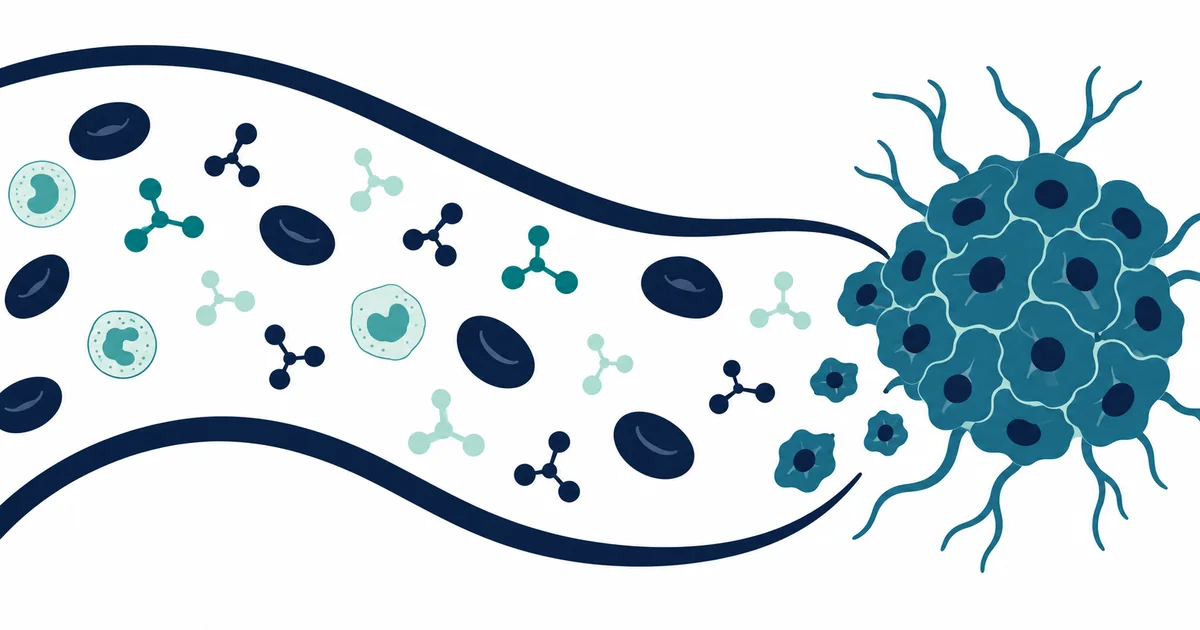
Learn what tumour markers are, how PSA, CA-125, CEA, and AFP tests work, and what elevated levels may indicate in a clinical context.