Blood Glucose Tests Explained: Fasting, Random and OGTT
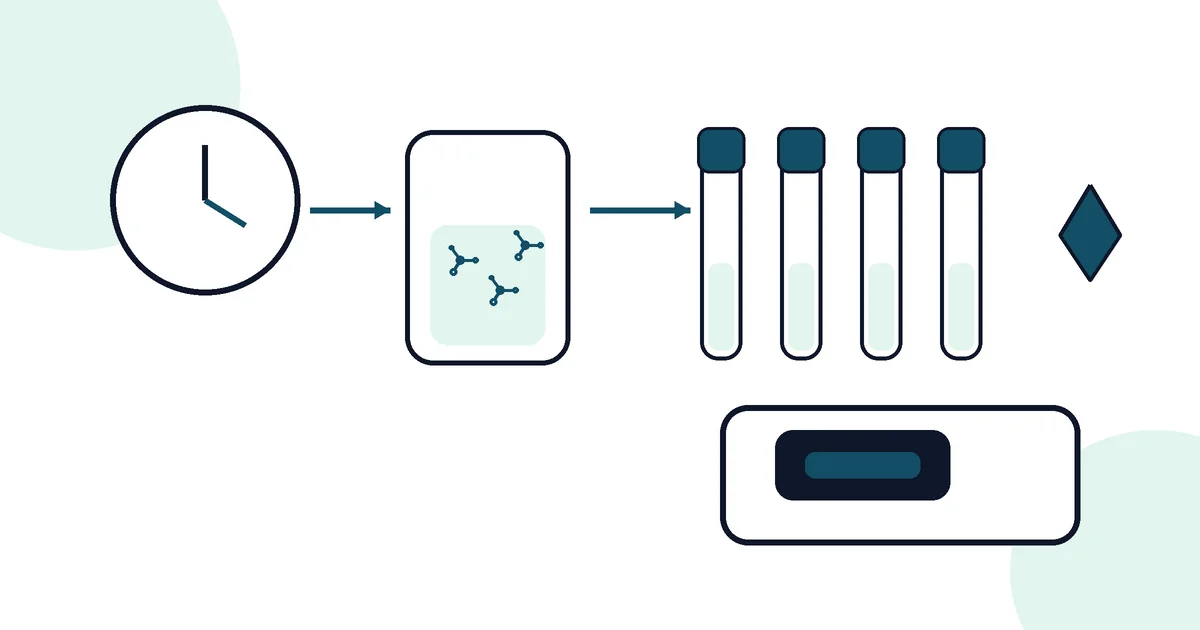
Blood glucose tests include fasting glucose, random glucose, and the oral glucose tolerance test (OGTT). This guide explains how each is used to diagnose and monitor diabetes and prediabetes.

 James
James Blood glucose tests include fasting glucose, random glucose, and the oral glucose tolerance test (OGTT). This guide explains how each is used to diagnose and monitor diabetes and prediabetes.

Iron studies measure serum iron, ferritin, TIBC, and transferrin saturation to assess iron stores and identify anaemia or iron overload. This guide explains what each result means.
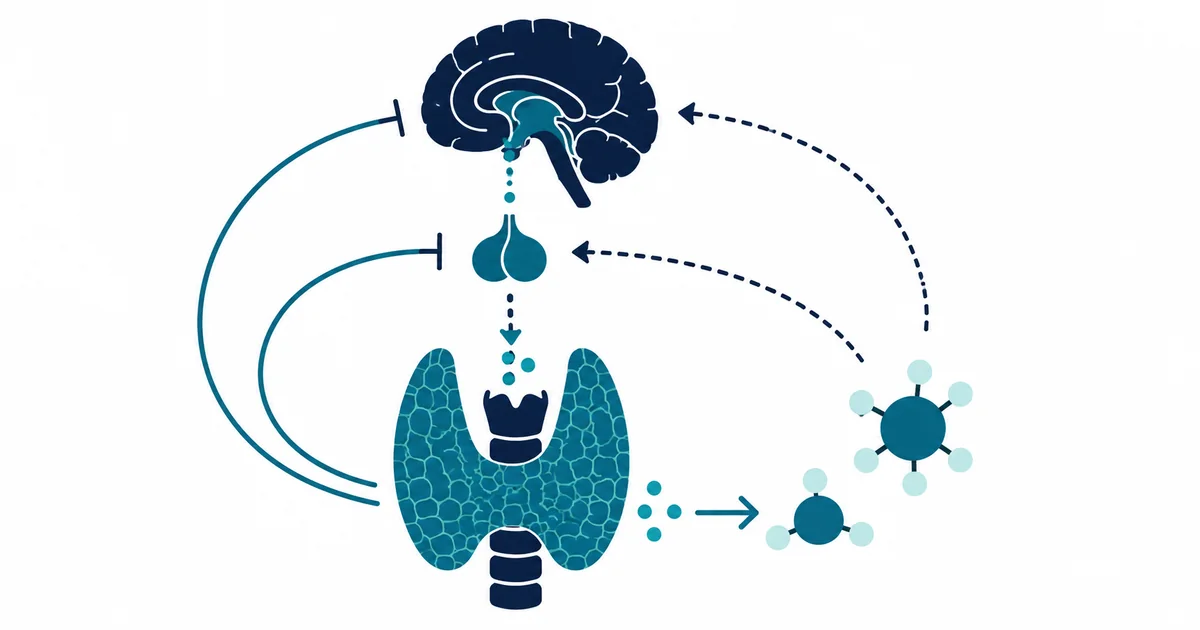
Thyroid function tests measure TSH, free T4, and sometimes free T3 to assess how well the thyroid gland is working. This guide explains what each result means and how the tests are used.
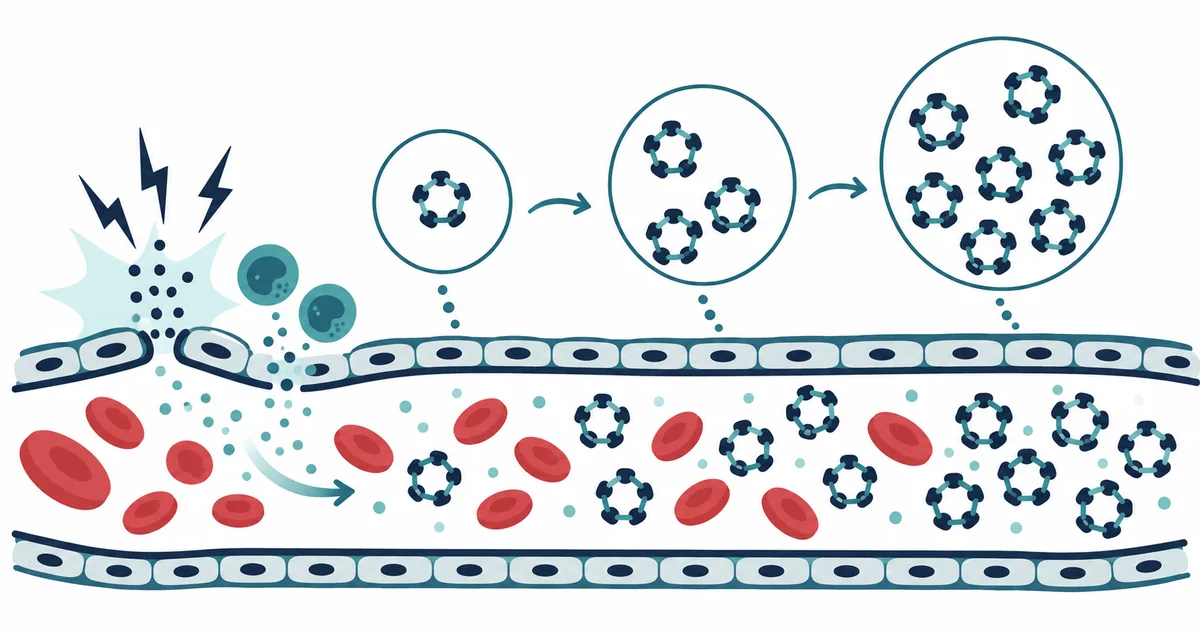
C-reactive protein (CRP) is an inflammation marker produced by the liver. This guide explains what a CRP blood test measures, what different result levels mean, and how hs-CRP differs from standard CRP.
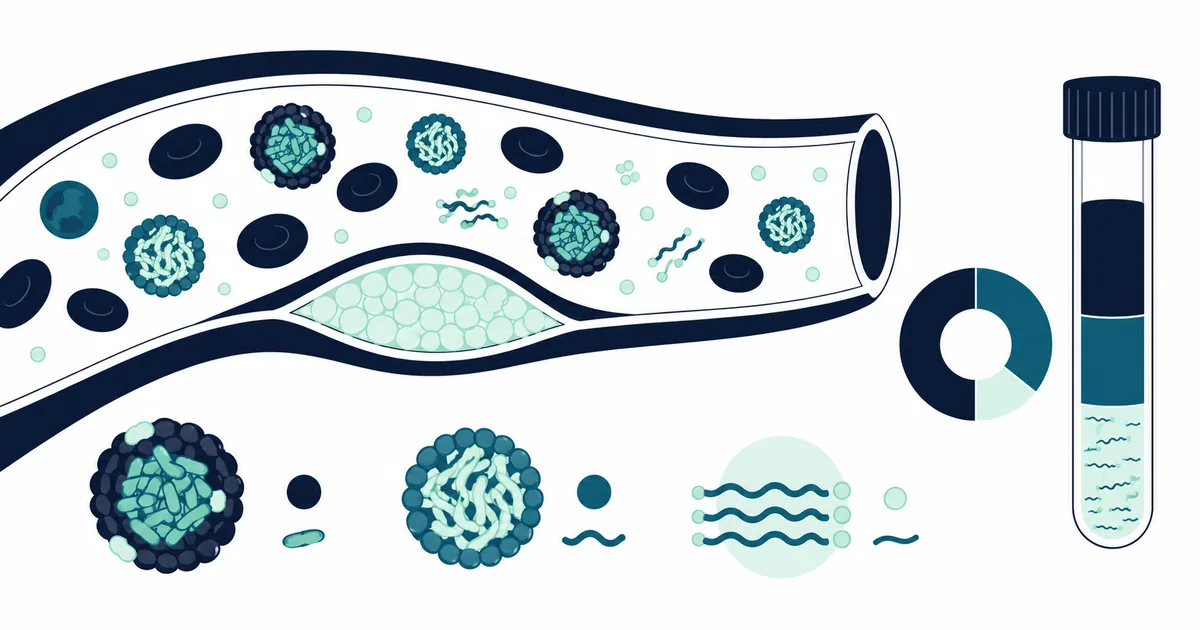
A cholesterol blood test measures LDL, HDL, triglycerides and total cholesterol. This guide explains what each number means, why it matters, and how results are interpreted in context.
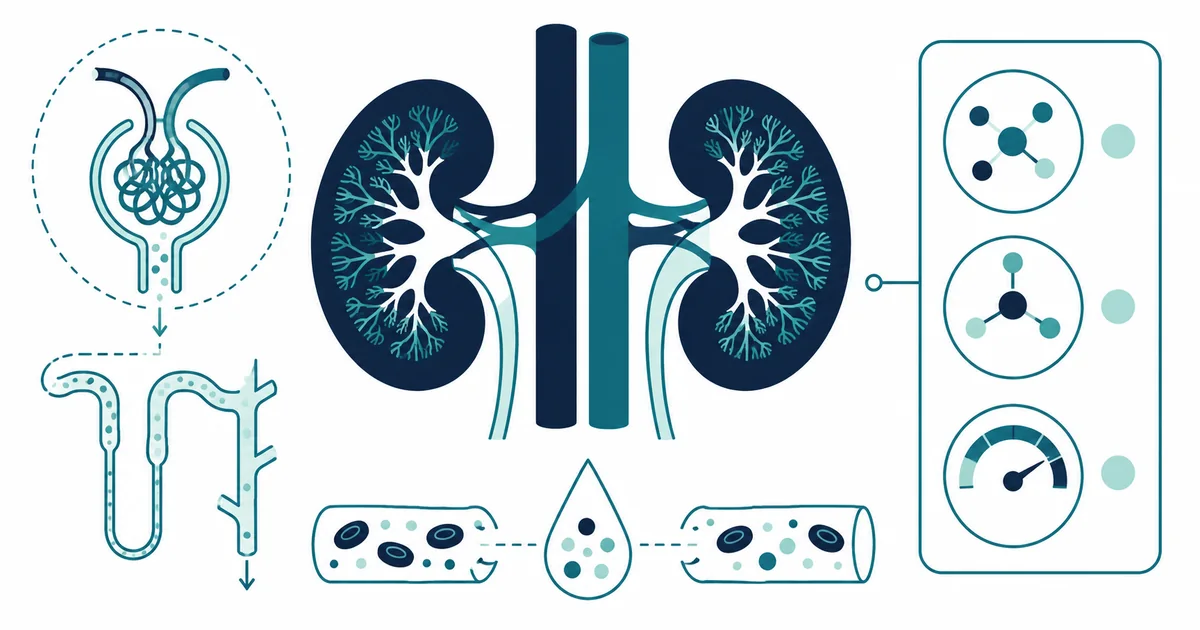
Kidney function tests measure creatinine, eGFR, urea, and electrolytes to assess how well your kidneys filter blood. This guide explains what each result means and why they matter.
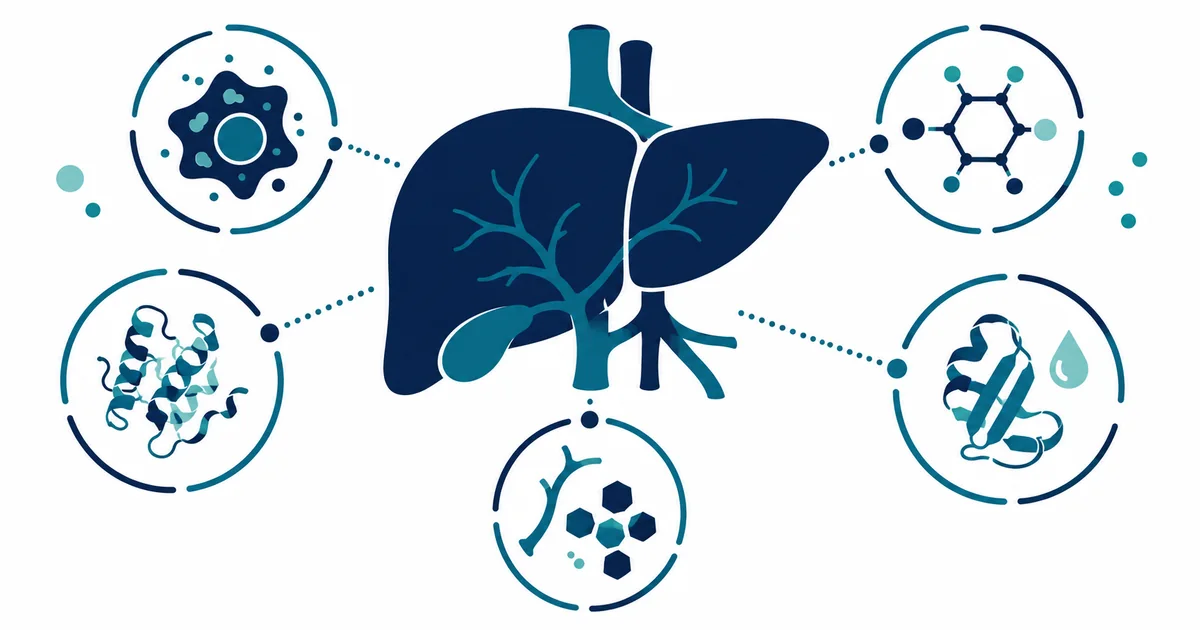
A liver function test (LFT) measures enzymes, proteins, and bilirubin to assess liver health. This guide explains what ALT, AST, ALP, GGT, albumin, and bilirubin results mean in plain language.
Learn what the HbA1c test measures, why it reflects average glucose over months, and what can affect the result.
A plain-English guide to the full blood count, including red cells, white cells, platelets, and common abbreviations.

Understand what lab reference ranges mean, why they vary, and why “normal” does not always tell the full story.