
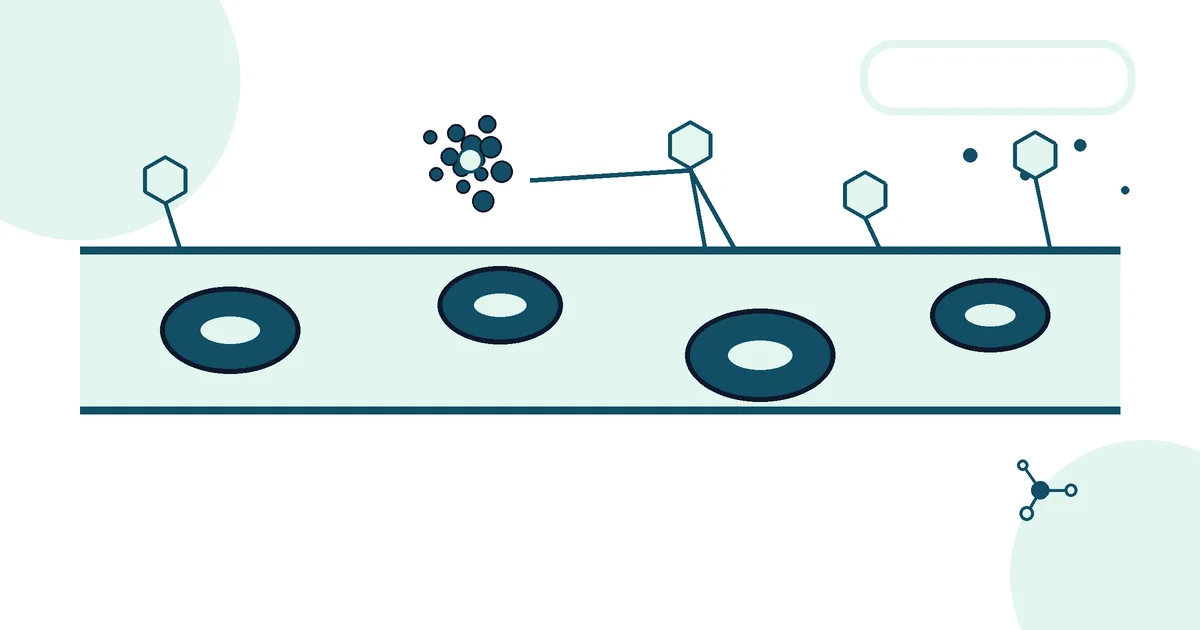
HbA1c explained simply: HbA1c is a blood test that gives an estimate of your average blood glucose, also called blood sugar, over the past two to three months. It does this by measuring how much glucose has attached to haemoglobin, the oxygen-carrying protein inside red blood cells. The higher the average glucose level has been, the more haemoglobin tends to become glycated. MedlinePlus and NIDDK both describe HbA1c as a test that reflects average blood glucose over roughly the previous two to three months.
For patients, HbA1c can feel like a small number with a big meaning. For biomedical science students, it is a useful example of how laboratory medicine connects biochemistry, haematology, diabetes monitoring, red blood cell lifespan, analytical standardisation, and clinical interpretation.
The most important point is this: HbA1c is not a stand-alone diagnosis in everyday life. It is a laboratory result that healthcare professionals interpret alongside symptoms, medical history, medications, pregnancy status, red blood cell conditions, kidney or liver disease, and other glucose tests.
What does HbA1c mean?
HbA1c stands for haemoglobin A1c. It is sometimes written as A1C, HbA1C, glycated haemoglobin, glycohaemoglobin, or glycosylated haemoglobin.
Haemoglobin is a protein inside red blood cells. Its main job is to carry oxygen around the body. Glucose is a type of sugar in the blood. Over time, glucose can attach to haemoglobin. This process is called glycation.
An HbA1c test measures the proportion of haemoglobin that has glucose attached to it. In simple terms, it asks: “How much of the haemoglobin has been exposed to glucose over time?”
Because red blood cells live for around three months, HbA1c gives a longer-term picture than a single glucose test. MedlinePlus explains that glucose sticks to haemoglobin for as long as red blood cells are alive, and that red blood cells live about three months.
This is why HbA1c is often described as an “average blood sugar” test.
Why HbA1c is different from a glucose test
A glucose test measures the amount of glucose in the blood at the time the sample is taken. It is a snapshot.
HbA1c gives a broader picture. It reflects average glucose exposure over weeks to months. NIDDK explains that A1C is less affected by short-term changes than fasting glucose or oral glucose tolerance testing, although recent glucose levels still contribute more strongly than older glucose levels.
Think of it like this: a finger-prick glucose reading is like checking the weather right now. HbA1c is like looking at the climate pattern over the past few months. Both can be useful, but they answer different questions.
A person could have a normal glucose reading at one moment but still have a raised HbA1c if their blood glucose has often been high over previous weeks. The opposite can also happen: someone may have a high glucose reading during illness, stress, or after eating, but their HbA1c may not be raised if their longer-term average has been lower.
What is HbA1c used for?
HbA1c may be used for different reasons depending on the clinical context. It may be used to screen for type 2 diabetes or prediabetes, support diagnosis of type 2 diabetes or prediabetes, monitor long-term blood glucose control in people already known to have diabetes, track whether blood glucose patterns are changing over time, and help healthcare professionals discuss treatment goals and follow-up plans.
MedlinePlus states that A1C may be used to screen for or diagnose type 2 diabetes and prediabetes, and that it can help monitor blood glucose control in people with diabetes or prediabetes.
NIDDK also explains that healthcare professionals can use A1C alone or with other diabetes tests to diagnose type 2 diabetes and prediabetes, and that no fasting is needed before the test.
HbA1c is not usually used to diagnose every type of diabetes in every situation. For example, NIDDK notes that A1C should not be used to diagnose type 1 diabetes, gestational diabetes, or cystic fibrosis-related diabetes.
HbA1c interpretation table
The table below gives a general educational guide to HbA1c interpretation. Exact reporting may vary by country, laboratory, clinical guideline, and individual situation. In the UK and many other settings, HbA1c is commonly reported in mmol/mol. Some sources and countries still use percentages. NGSP provides conversion between HbA1c percentage, IFCC mmol/mol, and estimated average glucose.
| HbA1c result | Approx. % | General interpretation |
|---|---|---|
| Below 39 mmol/mol | Below 5.7% | Commonly below the diabetes/prediabetes range used in many patient-facing references |
| 39–46 mmol/mol | 5.7–6.4% | Often described as the prediabetes range in US-style criteria |
| 48 mmol/mol or higher | 6.5% or higher | Commonly used as a diabetes-range threshold, but diagnosis usually needs clinical confirmation |
| Around 53 mmol/mol | Around 7.0% | Often discussed as a monitoring target for some people with diabetes, but personal targets vary |
| Higher results | Higher % | May suggest higher average glucose exposure, but interpretation depends on context |
MedlinePlus lists common diagnostic guide ranges as below 5.7% for normal, 5.7% to 6.4% for prediabetes, and 6.5% or higher for diabetes. It also notes that providers often use more than one test, and a higher-than-normal result may be followed by another A1C, fasting glucose, or oral glucose tolerance test.
NIDDK similarly states that any test used to diagnose diabetes requires confirmation with a second measurement unless there are clear symptoms of diabetes.
Why HbA1c is reported in mmol/mol and %
You may see HbA1c written in two different ways: mmol/mol (also called IFCC units) and % (also called NGSP/DCCT-style units). For example, 42 mmol/mol is approximately 6.0%, 53 mmol/mol is approximately 7.0%, and 64 mmol/mol is approximately 8.0%.
The number may look very different depending on the unit. A result of 53 mmol/mol and a result of 7.0% are not two different blood tests. They are two ways of expressing roughly the same HbA1c result. NGSP’s conversion table shows examples linking HbA1c percentage with IFCC mmol/mol and estimated average glucose.
This matters because patients may search online and compare a UK-style mmol/mol result with a website that uses percentages. That can cause unnecessary confusion.
| Feature | UK (IFCC) | US/Canada (NGSP) |
|---|---|---|
| Unit used | mmol/mol | % (percent) |
| Normal range | Below 39 mmol/mol | Below 5.7% |
| Prediabetes threshold | 39–47 mmol/mol | 5.7–6.4% |
| Diabetes threshold | 48 mmol/mol or above | 6.5% or above |
| Common monitoring target | Around 53 mmol/mol | Around 7.0% |
| Standard name | HbA1c | A1C or HbA1c |
Thresholds are approximate and for educational reference only. Clinical diagnosis requires confirmation by a qualified healthcare professional.
How HbA1c relates to average glucose
Some laboratories also report estimated average glucose, or eAG, alongside HbA1c. eAG translates HbA1c into the same kind of units used by glucose meters. For example, NGSP’s conversion table shows that HbA1c 6.0% is roughly linked with eAG 126 mg/dL (7.0 mmol/L), HbA1c 7.0% with eAG 154 mg/dL (8.6 mmol/L), and HbA1c 8.0% with eAG 183 mg/dL (10.2 mmol/L).
This does not mean your home glucose meter should always match the HbA1c estimate. NIDDK explains that eAG will not match daily glucose readings because it is a long-term average rather than a single-time measurement.
A person’s daily glucose readings may rise and fall after meals, exercise, stress, illness, medication changes, or overnight fasting. HbA1c smooths those changes into a longer-term signal.
Why HbA1c does not show sudden changes
HbA1c is useful because it is stable compared with a single glucose reading. But that also means it is not designed to show sudden, short-term glucose changes.
If glucose rises sharply after a meal, a finger-prick reading or continuous glucose monitor may show that change. HbA1c will not show that specific spike as a separate event.
NIDDK explains that large changes over the past month can affect HbA1c, but HbA1c does not show sudden temporary increases or decreases. It also notes that glucose levels within the past 30 days have a greater effect on the result than levels from earlier months.
So HbA1c is long-term, but not perfectly equal across the whole three-month period. Recent weeks matter more.
Why HbA1c and finger-prick glucose may disagree
It is common for patients to feel confused when their HbA1c does not seem to match their home glucose readings.
This can happen for several reasons. First, home glucose readings are only the times you measure. If you mainly test fasting glucose, you may miss after-meal spikes. Second, HbA1c reflects a weighted average over time, not a direct diary of each glucose rise and fall. Third, glucose meters, sample technique, test strips, and timing can introduce variation. Fourth, HbA1c can be affected by red blood cell conditions, haemoglobin variants, kidney failure, liver disease, recent blood loss, transfusion, iron deficiency, and other factors. NIDDK lists several red-cell and haemoglobin-related situations that can change A1C levels or make the test unreliable.
When HbA1c and glucose readings do not match, that mismatch itself can be useful. It may prompt the healthcare team to check the test method, consider red blood cell factors, review glucose monitoring patterns, or use different tests.
What can falsely raise HbA1c?
HbA1c depends on red blood cells and haemoglobin. Anything that changes red blood cell lifespan or haemoglobin structure can affect the result.
A falsely high HbA1c may occur when haemoglobin has been exposed to glucose for longer than expected, or when red blood cell turnover is reduced. NIDDK states that a falsely high A1C can occur in people who are very low in iron, such as those with iron-deficiency anaemia. It also lists kidney failure and liver disease among other causes of false A1C results.
Possible reasons HbA1c may be higher than expected include iron deficiency anaemia, some situations where red blood cells live longer, certain assay interferences, kidney disease-related factors, liver disease-related factors, and some haemoglobin variants depending on the method used.
This does not mean every raised HbA1c is false. It means HbA1c should be interpreted with the person’s full clinical and laboratory picture.
What can falsely lower HbA1c?
HbA1c may be falsely low when red blood cells do not live as long as expected. If red blood cells are replaced quickly, there may be less time for glucose to attach to haemoglobin.
Possible reasons HbA1c may be lower than expected include recent blood loss, haemolytic anaemia, recent transfusion, some haemoglobin variants, erythropoietin treatment, haemodialysis, and conditions that shorten red blood cell lifespan.
NIDDK notes that recent blood loss, sickle cell disease, erythropoietin treatment, haemodialysis, and transfusion can change A1C levels. The lesson is not to ignore HbA1c, but to know when HbA1c may need extra context.
HbA1c and haemoglobin variants
Haemoglobin variants are inherited differences in haemoglobin structure. Some people carry haemoglobin variants without knowing it.
NIDDK explains that people of African, Mediterranean, or Southeast Asian descent, or people with family members with sickle cell anaemia or thalassaemia, may have haemoglobin variants that can interfere with some A1C tests. It also notes that not all A1C tests are unreliable for people with haemoglobin variants; a different method may be needed in some cases.
This is especially relevant for a biomedical science audience because it shows why laboratory method matters. The result is not only about the patient’s biology. It is also about the analytical method used by the laboratory.
HbA1c in pregnancy
HbA1c is not the main test used for gestational diabetes diagnosis. MedlinePlus states that the A1C test is not used to diagnose gestational diabetes.
NIDDK explains that A1C may be used early in pregnancy to check whether someone with risk factors may have had undiagnosed diabetes before pregnancy, but glucose challenge testing or oral glucose tolerance testing is used to check for gestational diabetes, usually between 24 and 28 weeks.
This distinction matters because pregnancy changes metabolism, red cell turnover, and glucose interpretation. A result that is useful in one context may not be the best test in another.
What happens during an HbA1c test?
An HbA1c test is usually a blood test. A healthcare professional may collect blood from a vein in the arm. Some settings may use a finger-prick point-of-care test for monitoring, but laboratory methods are usually preferred when HbA1c is being used for diagnosis.
NIDDK states that when A1C is used for diagnosis, the blood sample should be sent to a laboratory that uses an NGSP-certified method. It also states that point-of-care tests should not be used for diagnosis.
Preparation is usually simple because fasting is not required. This is one reason HbA1c is convenient compared with fasting glucose or oral glucose tolerance testing. However, patients should still follow the instructions given by their healthcare provider or laboratory, especially if other tests are being taken at the same time.
How the lab measures HbA1c
From a laboratory perspective, HbA1c measurement depends on separating or detecting glycated haemoglobin from other haemoglobin forms. Different laboratories may use different analytical methods, such as ion-exchange chromatography, immunoassay, enzymatic methods, capillary electrophoresis, or affinity methods.
This is why standardisation matters. The HbA1c result needs to be comparable across laboratories and over time. NIDDK explains that NGSP certification helps ensure that A1C results are consistent and comparable with those used in major diabetes research.
Biomedical scientists also need to consider sample quality, analyser calibration, internal quality control, external quality assessment, method-specific interferences, and whether abnormal haemoglobin patterns may affect the result. For patients, this behind-the-scenes work is invisible. For laboratories, it is essential.
Why one HbA1c result is not the whole story
One HbA1c result can be helpful, but it is not the whole story. Healthcare professionals may consider whether this is a first result or a repeat result, whether the result is changing over time, whether the person has symptoms, whether glucose readings agree with HbA1c, whether red blood cell conditions may affect the result, whether the person is pregnant, whether kidney or liver disease is present, whether medication changes have occurred, and whether another glucose test is needed.
NIDDK states that test results can vary from day to day and from test to test, and that healthcare professionals repeat tests for confirmation.
This is why a careful HbA1c article should avoid saying “your result means you have X.” A safer and more accurate message is: “This result may suggest a pattern that should be interpreted by a qualified healthcare professional.”
HbA1c for monitoring diabetes
For people already diagnosed with diabetes, HbA1c may be used to monitor longer-term glucose management. NIDDK says healthcare professionals may use A1C to set treatment goals, modify therapy, and monitor diabetes management, and that experts recommend people with diabetes have an A1C test at least twice a year.
Targets vary. A common target discussed in many settings is around 7.0%, or approximately 53 mmol/mol, for some people with diabetes. But this is not universal. NIDDK emphasises that A1C targets depend on diabetes history and general health, and that a lower A1C may not be safe for everyone if it increases the risk of hypoglycaemia.
This is important because online readers often want a single “best” HbA1c number. In real healthcare, the safest target may depend on age, medication type, pregnancy status, other health conditions, risk of low blood glucose, and individual treatment goals.
HbA1c vs blood glucose tests
HbA1c is one diabetes-related blood test, but it is not the only one. Other glucose-related tests include fasting plasma glucose, random plasma glucose, oral glucose tolerance test, finger-prick capillary glucose, continuous glucose monitoring, urine glucose in some settings, and ketone testing in specific contexts.
NIDDK explains that fasting plasma glucose and oral glucose tolerance testing can also be used to diagnose type 2 diabetes and prediabetes, and that random plasma glucose may be used when symptoms are present.
Key takeaways
HbA1c is a long-term blood glucose marker. It measures the proportion of haemoglobin that has glucose attached to it and reflects average blood glucose over roughly two to three months.
It is useful because it is more stable than a single glucose reading and usually does not require fasting. It can support screening, diagnosis, and monitoring of type 2 diabetes and prediabetes.
However, HbA1c is not perfect. It can be affected by red blood cell lifespan, anaemia, haemoglobin variants, transfusion, kidney disease, liver disease, pregnancy context, and laboratory method. It also does not show sudden glucose changes.
The best way to read HbA1c is not as a verdict, but as one laboratory clue within a wider clinical picture.
How HbA1c Relates to Other Tests
HbA1c is rarely the only test used in diabetes care. It is commonly ordered alongside or followed up with:
- Fasting blood glucose — a snapshot test used alongside HbA1c for diagnosis. See: Blood Glucose Tests Explained
- Full blood count — checked when red blood cell conditions may be affecting HbA1c reliability. See: Full Blood Count Explained
- Iron studies — iron deficiency can falsely raise HbA1c in some assay methods. See: Iron Studies Explained
- eGFR / kidney function — chronic kidney disease affects red cell lifespan and can alter HbA1c results. See: eGFR Explained
- Cholesterol panel — routinely checked alongside HbA1c in diabetes monitoring. See: Cholesterol Blood Test Explained
More questions answered
What can the HbA1c test tell you, and what can it not tell you?
The HbA1c test provides information about the proportion of haemoglobin that has glucose attached, reflecting longer-term glucose exposure. It can support diagnosis or monitoring of diabetes when the test is appropriate, but it usually cannot identify the exact cause of an abnormal value by itself. The result becomes more useful when combined with blood glucose measurements and clinical diabetes assessment and the reason the test was requested. The main limitation is that one laboratory measurement is only part of the wider clinical picture.
Why are other blood tests often ordered with the HbA1c test?
Related tests can show whether a change in the HbA1c test fits a broader laboratory pattern. Measurements such as blood glucose measurements and clinical diabetes assessment may assess connected organs, pathways or biological processes. This can help clinicians distinguish between several possible explanations for the same result. The tests are therefore complementary rather than interchangeable.
Can medicines or supplements affect the HbA1c test?
Yes, some medicines or supplements can influence the HbA1c test directly or indirectly, although the effect depends on the specific substance and assay. Other influences include red-cell lifespan, haemoglobin variants, transfusion and some anaemias, so medication is only one possible explanation for a change. Patients should not stop prescribed treatment just to alter a laboratory result unless a healthcare professional has specifically instructed them to do so. Medication information should be shared with the healthcare team interpreting the result.
Why might a healthcare professional request another HbA1c test?
A second HbA1c test may be used to confirm an unexpected result, check a trend or see whether a temporary change has resolved. Repeating the test can also help when the first specimen had a quality problem or when monitoring requires measurements at different times. A repeat value is interpreted alongside the earlier result rather than treated as an unrelated number. The need for retesting depends on the clinical question.
Why might my HbA1c test result be flagged at one laboratory but not another?
Laboratories can use different reference intervals or decision limits because methods, instruments, reagents and populations differ. A value near a boundary may therefore be flagged differently even when the numerical results are similar. This does not automatically mean that one laboratory made an error. Always use the range printed on the same report as the result being interpreted.
Can my HbA1c test result change even when I feel the same?
Yes. Laboratory values can change because of normal biological variation, early physiological changes, medicines, hydration, timing or other factors before noticeable symptoms occur. Feeling well also does not guarantee that every laboratory measurement will sit inside its reference interval. The importance of a change depends on its size, persistence and clinical context. Personal results should be discussed with a healthcare professional when interpretation is needed.
Does a normal HbA1c test rule out every related condition?
No. A result inside the reference interval does not exclude every condition related to the biological system being tested. Some disorders may not affect the marker, may affect it only at certain stages or may require other tests to detect. Clinicians therefore consider symptoms, examination and related investigations rather than using one normal value as a universal rule-out. The HbA1c test should be interpreted according to the purpose for which it was ordered.
Type 1 vs Type 2 Diabetes Blood Tests: What’s Different and What to Expect