Want to go deeper?
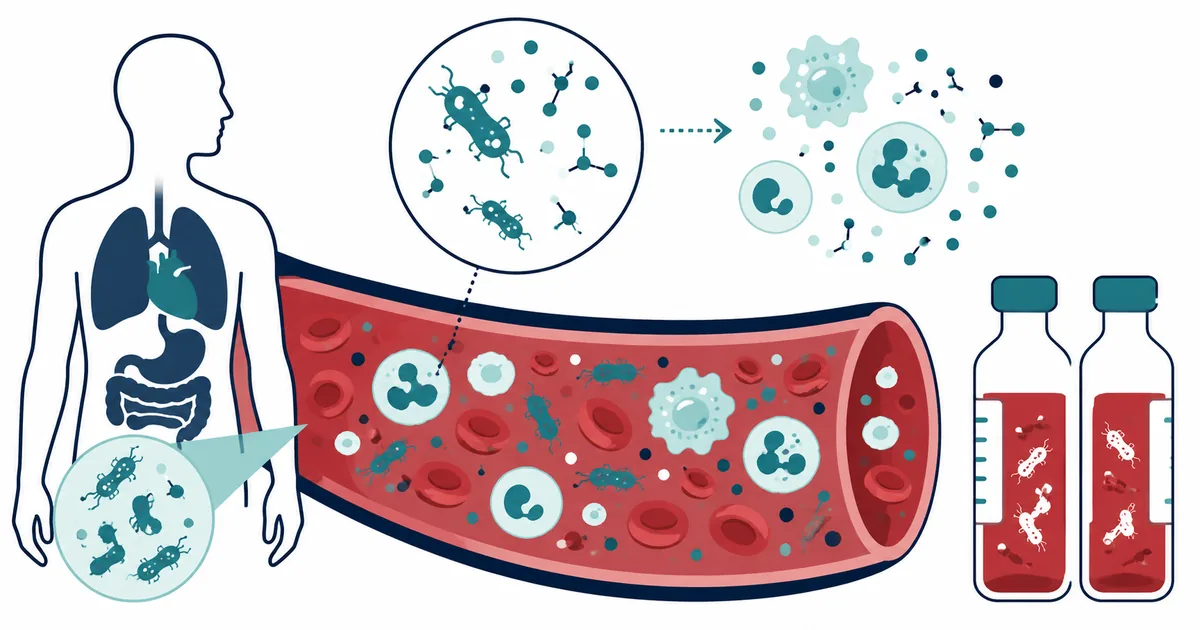
Learn how labs identify infections, starting with how blood cultures work.
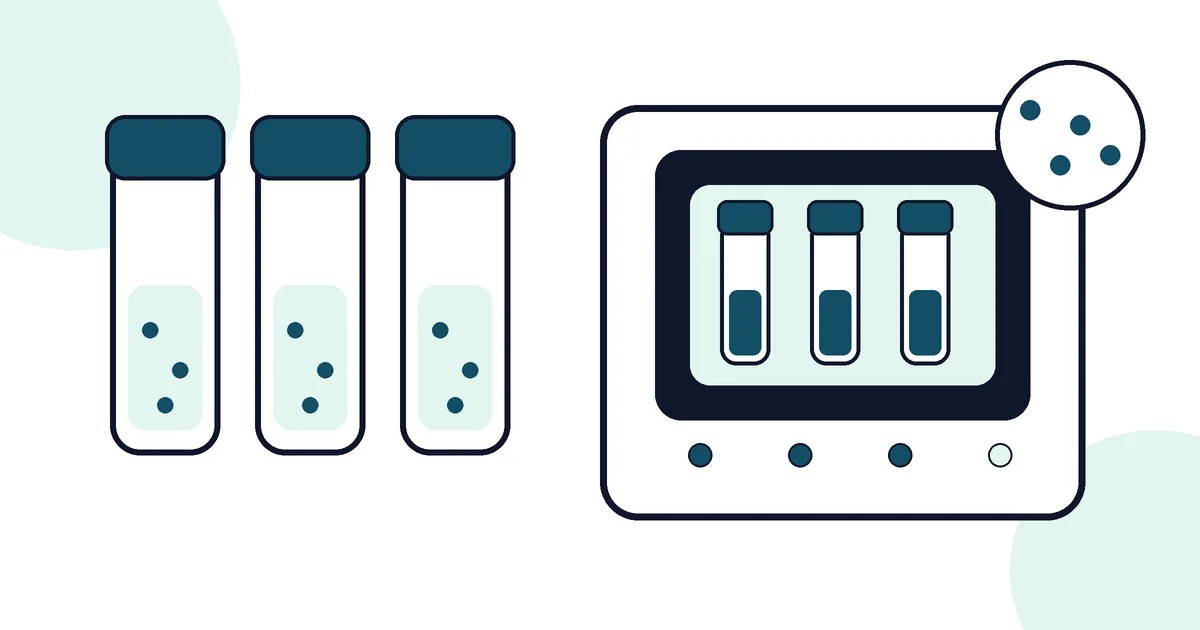
Start Here →Antimicrobial susceptibility testing (AST) is laboratory testing used to assess how a cultured microorganism responds to antimicrobial agents. After a clinically relevant bacterium or other organism is isolated, the laboratory may test selected drugs to help classify the organism as susceptible or resistant according to standard breakpoints. Common methods include disc diffusion and minimum inhibitory … Read more
Urine Culture vs Blood Culture Urine Culture vs Blood Culture: What’s the Difference and When Is Each Used? Urine culture vs blood culture compares two microbiology tests that grow and identify microorganisms from different specimens for different clinical questions. A urine culture is mainly used when clinicians need microbiological evidence about a suspected urinary tract … Read more
Sepsis Lab Tests Explained Sepsis is a serious medical emergency that can happen when the body has an extreme response to infection. In suspected sepsis, laboratory tests help healthcare professionals gather information quickly: whether infection may be present, how the body is responding, whether organs may be under stress, and whether treatment needs urgent adjustment. … Read more
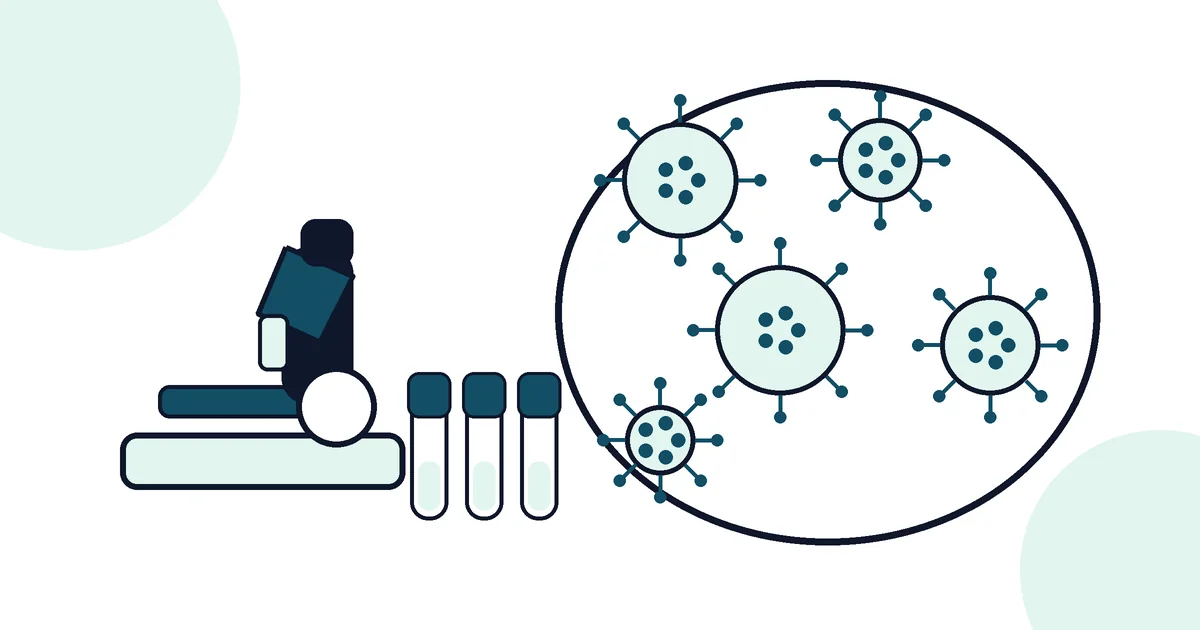
What Is Virology? Virology is the study of viruses. In healthcare laboratories, virology focuses on detecting viruses, measuring viral activity and identifying immune responses to viral infection. Viruses are different from bacteria. They contain genetic material — either DNA or RNA — and depend on host cells to multiply. This affects how they are tested, … Read more
Procalcitonin Test Explained A procalcitonin test measures the amount of procalcitonin, often shortened to PCT, in the blood. Procalcitonin is a substance that can rise during serious bacterial infection and sepsis. It is most often used in hospital, emergency, or intensive care settings. Testing.com explains that procalcitonin can rise significantly in systemic bacterial infections and … Read more
Learn how blood cultures work, when they are taken, what pathogens they detect, and how microbiology laboratory results are interpreted in suspected bacteraemia and sepsis.