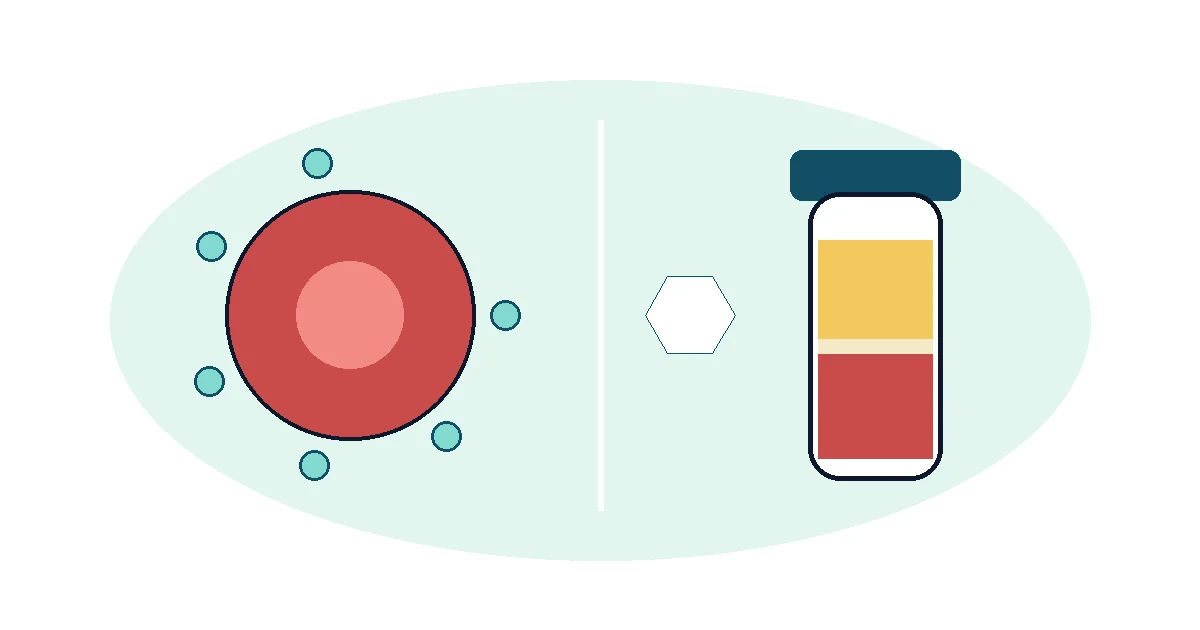
Acute vs Chronic Inflammation Acute vs Chronic Inflammation: What’s the Difference and How Are They Tested? Acute vs chronic inflammation describes two different time-courses of the body’s inflammatory response. Acute inflammation starts rapidly in response to injury, infection or tissue damage and is designed to contain the problem and begin repair. Chronic inflammation persists for … Read more
Type 1 vs Type 2 Diabetes Blood Tests: What’s Different and What to Expect Type 1 vs Type 2 diabetes blood tests are best understood as answering two separate questions. First: does laboratory testing show hyperglycaemia at a level consistent with diabetes? Second: if diabetes is present, what evidence supports classification as type 1 or … Read more
ESR vs CRP vs Procalcitonin: Which Inflammation Marker Does Your Doctor Use and Why? ESR vs CRP vs procalcitonin compares three laboratory markers that provide different information about inflammation and infection-related responses. ESR is an indirect measure based on how quickly red blood cells settle in a tube. CRP is an acute-phase protein that typically … Read more
HbA1c and fasting glucose are both used to assess glucose regulation, but they answer different questions. HbA1c reflects glucose exposure over roughly the life cycle of circulating red blood cells, while a fasting plasma glucose test measures the glucose concentration in the blood at one fasting time point. That is why one test can look … Read more
ESR and CRP are both used as markers of inflammation, but they do not measure the same thing. ESR measures how quickly red blood cells settle in a vertical tube, while CRP measures the concentration of C-reactive protein, an acute-phase protein produced mainly by the liver in response to inflammatory signalling. Because the biology behind … Read more
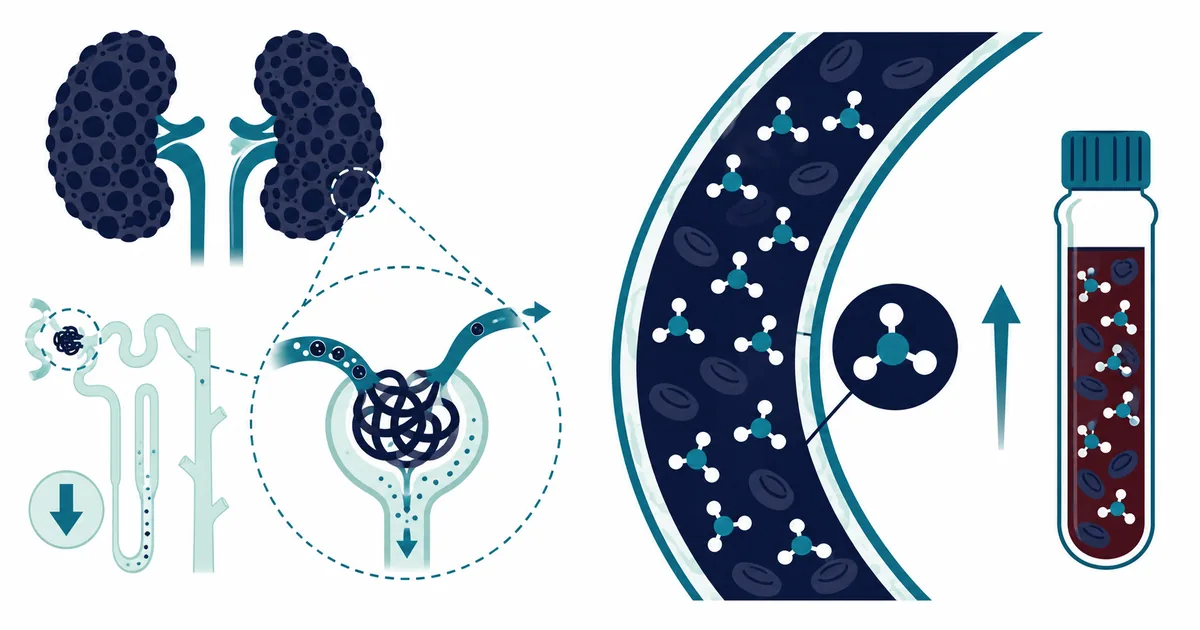
Chronic Kidney Disease Blood Tests Chronic kidney disease, or CKD, is usually assessed using a combination of blood and urine tests. The most important markers are often creatinine, eGFR and urine albumin, but other blood tests help monitor complications and overall kidney-related health. This page explains the laboratory tests commonly used in CKD investigation and … Read more
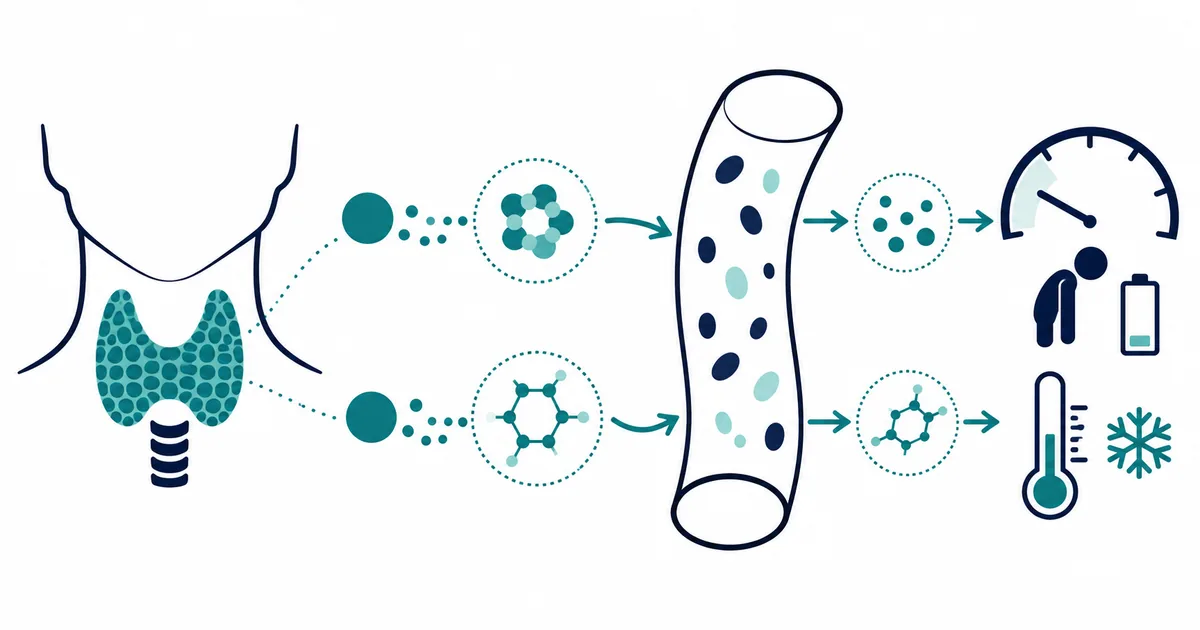
Hypothyroidism Blood Tests Explained Hypothyroidism, also called an underactive thyroid, happens when the thyroid gland does not make enough thyroid hormones. Blood tests are essential because symptoms such as tiredness, weight gain, feeling cold, constipation or low mood can be caused by many conditions. The main blood tests used in hypothyroidism assessment are: TSH Free … Read more
Type 2 Diabetes Blood Tests Explained Type 2 diabetes is usually investigated and monitored using blood tests that measure glucose control and related health risks. The most familiar tests are HbA1c and blood glucose, but diabetes care may also include kidney, cholesterol and liver-related blood tests. This page explains the main blood tests used in … Read more
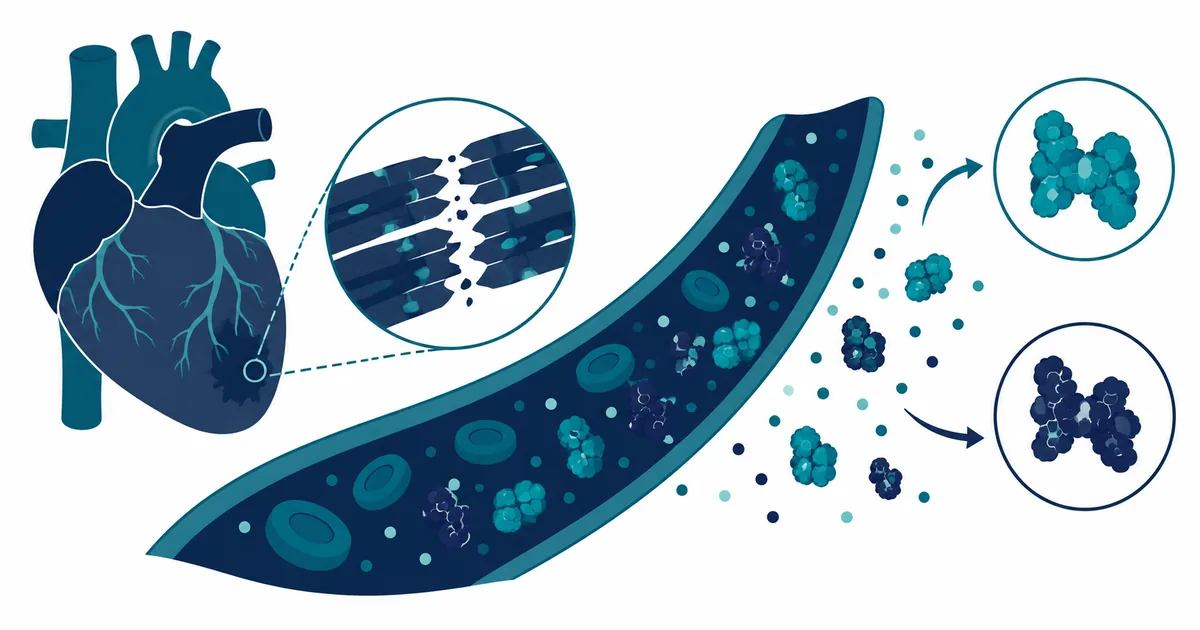
Heart Attack Blood Tests Explained When a heart attack is suspected, blood tests can help healthcare professionals look for evidence of heart muscle damage. The most important blood test in this setting is usually troponin, but clinicians do not rely on blood tests alone. A possible heart attack is assessed using several pieces of information: … Read more
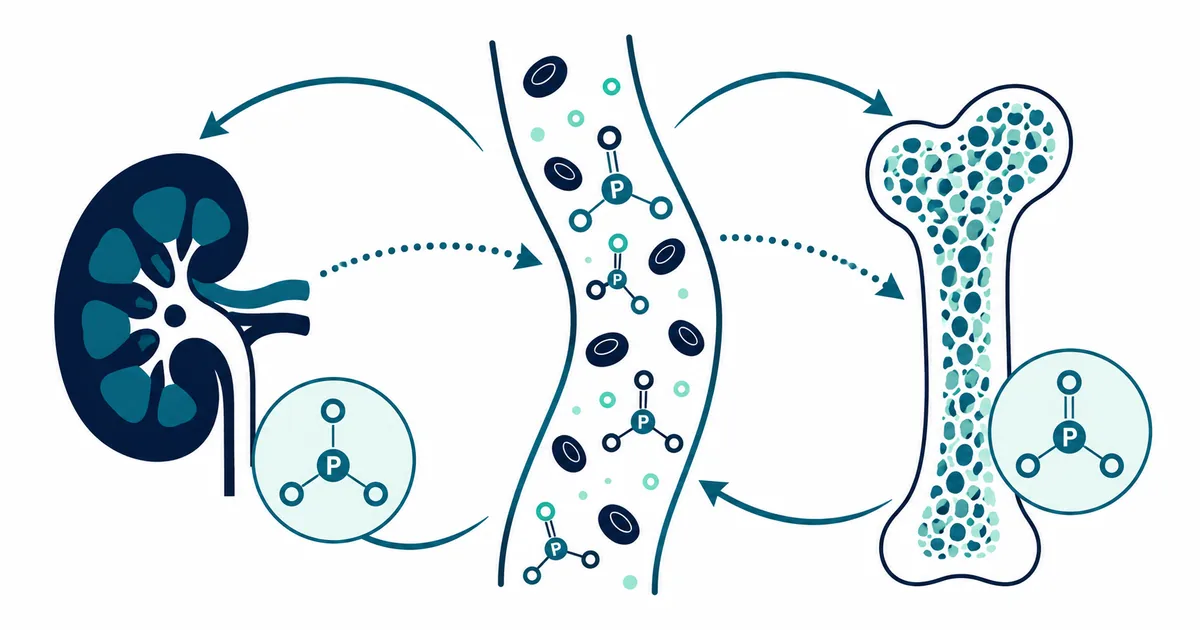
Phosphate Blood Test Explained A phosphate blood test measures the amount of phosphate in the blood. Phosphate contains the mineral phosphorus, so the test may also be called a phosphorus test. MedlinePlus explains that phosphate contains phosphorus and that phosphate testing may also be called phosphorus testing. Phosphate is not just a diet-related number. It … Read more