Calcium Blood Test Explained A calcium blood test measures how much calcium is circulating in the blood. It does not measure how much calcium is stored in the bones. This distinction matters because many people assume a calcium blood test is a bone-strength test, but it is not. Cleveland Clinic explains that around 99% of … Read more
ESR Blood Test Explained ESR stands for erythrocyte sedimentation rate. It is also called sed rate or sedimentation rate. The ESR blood test measures how quickly red blood cells settle at the bottom of a tube over a set period of time. A faster-than-expected ESR can suggest inflammation, but it does not show the exact … Read more
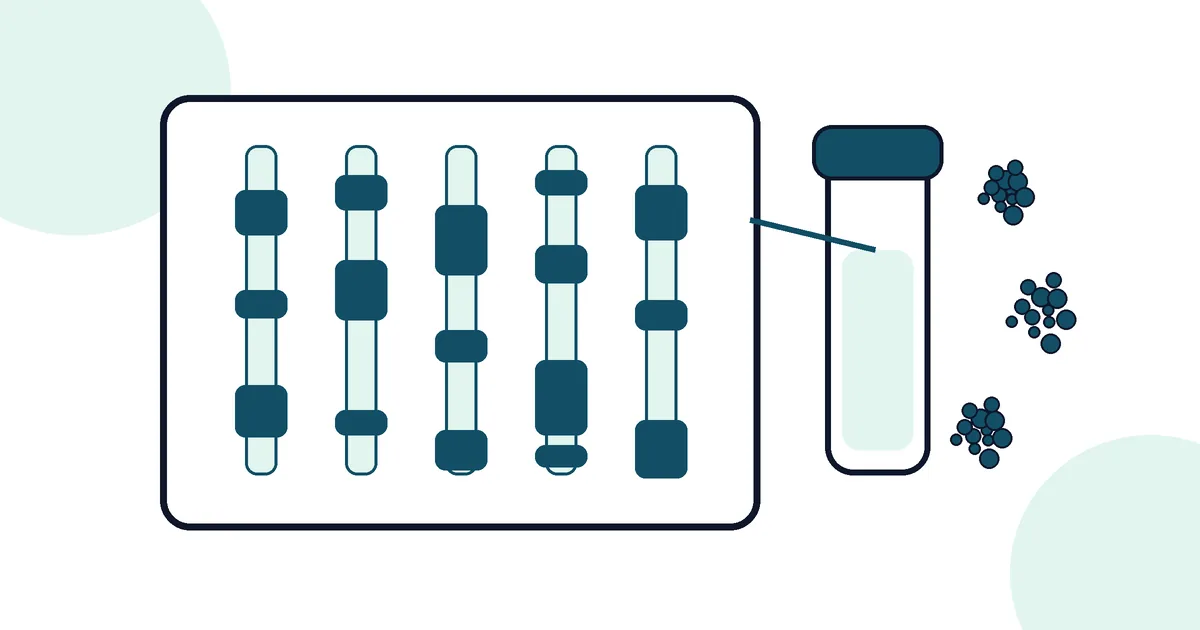
Serum protein electrophoresis, often shortened to SPEP or serum electrophoresis, is a blood test that separates proteins in the liquid part of blood into groups or bands. Instead of giving only one total protein number, it shows a pattern of protein fractions. This test is often used when healthcare professionals need to look more closely … Read more
A urea blood test measures the amount of urea in the blood. Urea is a waste product made when the body breaks down protein. It is carried in the blood to the kidneys, where it is filtered and removed in urine. In many UK-style blood test reports, the result is called urea. In many US … Read more
Amylase and lipase are digestive enzymes that may be measured in blood when healthcare professionals are assessing the pancreas or related digestive problems. They are often discussed together because both can rise in pancreatic disease, including pancreatitis. However, they are not the same enzyme, and they do not always rise for the same reasons. Amylase … Read more
LDH stands for lactate dehydrogenase. An LDH test measures the amount of lactate dehydrogenase in a blood sample, although LDH can also be measured in some body fluids in specific clinical situations. LDH is an enzyme found in many tissues of the body, with large amounts found in muscles, liver, kidneys, and red blood cells. … Read more