
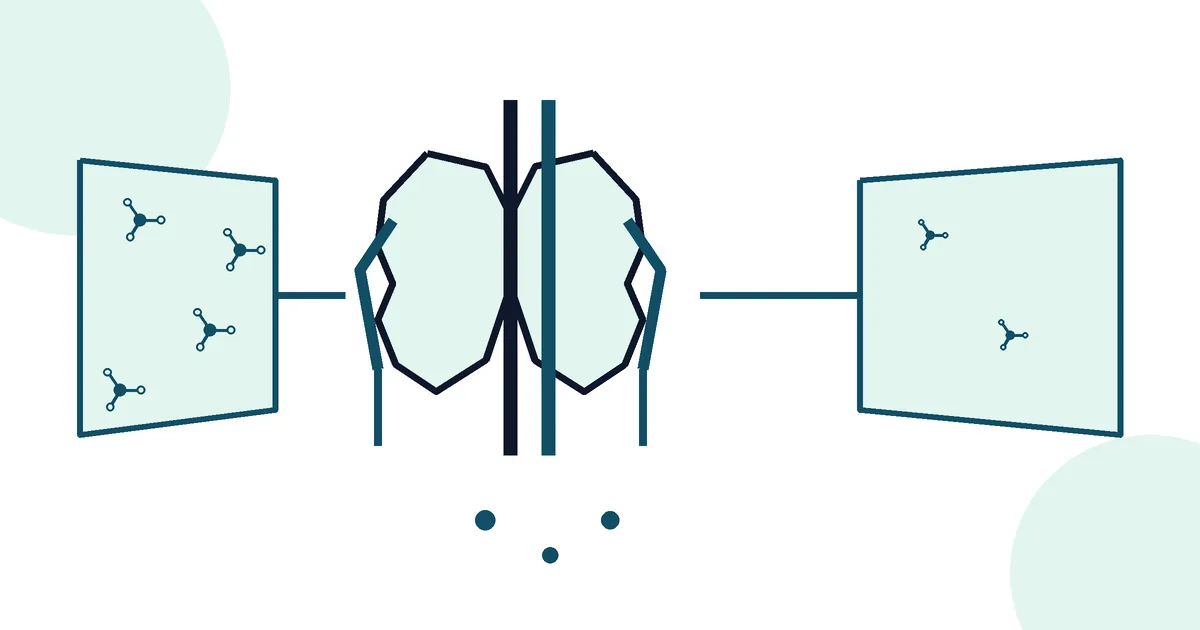
A urea blood test measures the amount of urea in the blood. Urea is a waste product made when the body breaks down protein. It is carried in the blood to the kidneys, where it is filtered and removed in urine.
In many UK-style blood test reports, the result is called urea. In many US sources, a related test is called BUN, which stands for blood urea nitrogen. BUN measures the nitrogen part of urea. The naming differs, but both are used to understand waste handling and kidney-related chemistry.
MedlinePlus explains that BUN and creatinine are waste products that the kidneys filter out of the blood and remove through urine.
The key point is this: urea should not be interpreted alone. It is usually read with creatinine, eGFR, electrolytes, hydration status, diet, symptoms, medication history, and sometimes urine albumin.
What is urea?
Urea is produced mainly in the liver as part of protein metabolism. When the body breaks down proteins, ammonia is produced. Ammonia is toxic, so the liver converts it into urea, which is safer to transport in the blood. The kidneys then filter urea into urine.
This means urea sits at the intersection of:
- Protein intake and breakdown
- Liver metabolism
- Kidney filtration
- Hydration status
- Urine production
- Clinical context
Because several systems affect urea, the result is useful but not specific.
Urea vs BUN: what is the difference?
Urea and BUN are closely related but reported differently.
- Urea refers to the whole urea molecule.
- BUN refers to the nitrogen content within urea.
Different countries and laboratories may report one or the other. UK-style kidney function panels often show urea. US-style panels often show BUN.
The numbers are not directly interchangeable without conversion because they are expressed differently. Always read the unit and reference interval provided by the reporting laboratory.
Why is urea tested?
Urea may be checked as part of:
- Kidney function testing
- Electrolyte and renal panels
- Comprehensive metabolic panels
- Assessment of dehydration
- Monitoring of kidney disease
- Monitoring of acute illness
- Medication monitoring
- Investigation of abnormal creatinine or eGFR
- Assessment of protein breakdown or catabolic states
MedlinePlus explains that a comprehensive metabolic panel can provide information about liver and kidney health, glucose, protein levels, fluid and electrolyte balance, and metabolism, including BUN and creatinine as waste products filtered by the kidneys.
Urea and creatinine
Urea is often interpreted with creatinine. Creatinine is another waste product, mainly produced by muscle metabolism. Creatinine is commonly used to calculate eGFR, which estimates kidney filtration.
In simple terms:
- Urea is influenced by protein metabolism, hydration, and kidney handling.
- Creatinine is influenced by muscle metabolism and kidney filtration.
- eGFR estimates kidney filtration from creatinine and personal factors.
Together, they provide a better picture than urea alone.
What can cause high urea?
High urea may occur when more urea is produced, when the kidneys remove less urea, or when blood becomes more concentrated.
Possible reasons include:
- Dehydration
- Reduced kidney function
- Acute kidney injury
- Chronic kidney disease
- High protein intake
- Increased protein breakdown
- Gastrointestinal bleeding
- Severe infection or illness
- Some medicines
- Reduced blood flow to the kidneys
- Urinary obstruction
A high urea does not automatically mean chronic kidney disease. For example, dehydration can raise urea because blood becomes more concentrated and kidney blood flow may change.
What can cause low urea?
Low urea is less commonly the focus of kidney testing, but it may occur in some situations.
Possible reasons include:
- Low protein intake
- Severe liver dysfunction
- Overhydration
- Pregnancy
- Malnutrition
- Some inherited urea cycle problems
Low urea should still be interpreted with the full clinical picture.
Urea and dehydration
Urea is often sensitive to hydration status. When someone is dehydrated, urea may rise because the blood is more concentrated and kidney handling changes. Creatinine may also change, but urea can sometimes rise more noticeably in dehydration or reduced blood flow states.
This is why urea can be useful, but also why it can mislead if read alone. A raised urea may reflect kidney filtration problems, but it may also reflect fluid status or protein metabolism.
Urea and kidney disease
Urea can rise when kidney function is reduced, but kidney assessment is not based on urea alone. NIDDK states that healthcare providers use a blood test called GFR to check how well kidneys filter blood and a urine albumin test to check for kidney damage.
A kidney story usually needs:
- eGFR or GFR estimate
- Creatinine
- Urea or BUN
- Electrolytes
- Urine albumin or UACR
- Urinalysis
- Blood pressure context
- Medication review
- Previous results
Urea is one piece of the puzzle.
Urea and protein metabolism
Because urea is made from protein breakdown, diet and body metabolism can affect it. A high-protein diet, tissue breakdown, fever, infection, trauma, or catabolic illness may influence urea production.
This is why a urea result can change even when kidney filtration is not the only issue. The body may simply be producing more urea.
What happens during the test?
A urea blood test is usually part of a blood chemistry or kidney function panel. A healthcare professional collects blood from a vein in the arm. The sample is sent to the laboratory for analysis.
Preparation depends on the other tests ordered at the same time. If urea is part of a wider metabolic panel, fasting may sometimes be required depending on local instructions.
Key takeaway
Urea is a waste product from protein metabolism. It is filtered by the kidneys and is commonly checked as part of kidney function testing. In US-style reporting, a related measurement is often called BUN.
A urea result is useful, but it is not a stand-alone kidney diagnosis. It should be interpreted with creatinine, eGFR, electrolytes, urine albumin, hydration status, diet, medications, and previous results.
The best way to understand urea is: urea is a kidney-related waste marker, but it also reflects protein metabolism and fluid status.
FAQ
Is urea the same as BUN?
They are closely related. Urea refers to the whole molecule, while BUN measures the nitrogen part of urea. Different countries may report different versions.
Does high urea mean kidney disease?
Not always. High urea can be linked with kidney problems, but also dehydration, high protein breakdown, diet, bleeding, severe illness, or medication effects.
Why is urea checked with creatinine?
Urea and creatinine are both waste products filtered by the kidneys. MedlinePlus notes that BUN and creatinine are measured together in panels and may help understand kidney problems.
Is eGFR more important than urea?
eGFR is more directly used to estimate kidney filtration. NIDDK states that GFR and urine albumin are key tests used to diagnose and monitor kidney disease.
Educational only. This article does not provide medical advice, diagnosis, treatment guidance, or personal result interpretation.
More questions answered
Why can the urea blood test use different methods or units between laboratories?
Different laboratories may use different analytical platforms, reagents or calibration systems for the urea blood test. Some tests can therefore have method-specific units, cut-offs or reference intervals even when they assess the same biological target. Direct comparison is safest when the method and units are compatible. The range and units printed on the reporting laboratory’s result should be used.
Why are previous urea blood test results useful?
Previous urea blood test results provide a personal trend that can show whether the value is stable, gradually changing or different from the person’s earlier pattern. A trend can sometimes be more informative than comparing one result only with a population reference interval. Changes still need to be considered alongside method changes, timing and clinical context. Where possible, comparable methods make longitudinal interpretation easier.
What should students remember when interpreting the urea blood test?
Students should first identify what the test measures, then check the specimen, method, units and reference information. Next, consider hydration, protein breakdown, kidney function, diet and some medicines and how creatinine, eGFR and electrolytes might change the interpretation. A laboratory value should not be converted directly into a diagnosis without context. This stepwise approach connects analytical science with safe result interpretation.