Plain-English guides to common laboratory tests, what they measure, why clinicians may order them, and why results should be interpreted with clinical context.
Want to go deeper?
Explore more lab test explainers, or check reference ranges to understand what your results mean.
IBMS Membership Explained IBMS membership is professional membership with the Institute of Biomedical Science, the UK-based professional body for biomedical science. The most important clarification is this: IBMS membership is not the same as HCPC registration. HCPC registration is statutory professional registration for the protected title biomedical scientist. IBMS membership is professional body membership. What … Read more
HCPC Registration Biomedical Scientist HCPC registration is the professional registration required to use the protected title biomedical scientist in the UK. The Health and Care Professions Council, or HCPC, regulates several healthcare professions. For biomedical scientists, registration shows that a person has met the required standards for safe and effective practice. What is HCPC registration? … Read more
Biomedical Scientist Salary UK A biomedical scientist salary in the UK depends on experience, NHS band, location, specialist training, shift patterns and whether the role is in the NHS, private sector, industry or research. For NHS roles, the most reliable salary reference is the Agenda for Change pay system. For 2026/27 in England, NHS Employers … Read more
What Is a Medical Laboratory Scientist? A medical laboratory scientist is a healthcare laboratory professional who tests and analyses patient samples such as blood, urine, swabs, tissue and body fluids. Their work produces laboratory results that doctors, nurses and other healthcare professionals use to investigate disease, monitor health and support patient care. Although patients may … Read more
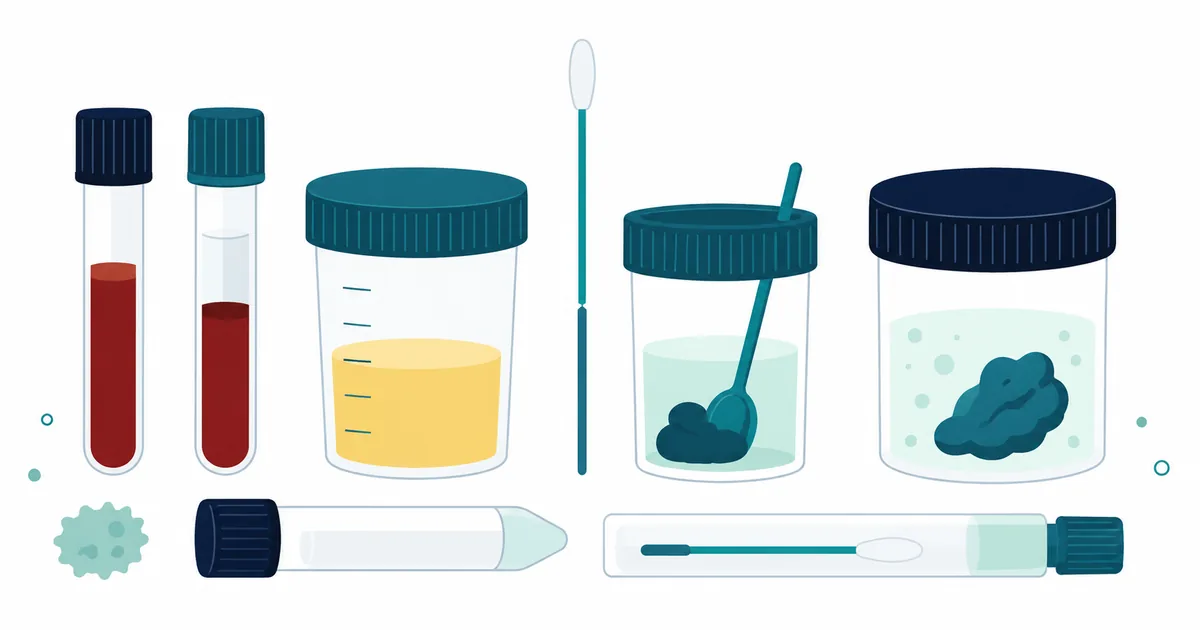
What Is a Specimen? In healthcare and laboratory testing, a specimen is the sample collected from a person and sent to the laboratory for testing. A specimen may be blood, urine, stool, saliva, a swab, tissue, or another body fluid or material. MedlinePlus explains that a laboratory test checks a sample of blood, urine, another … Read more
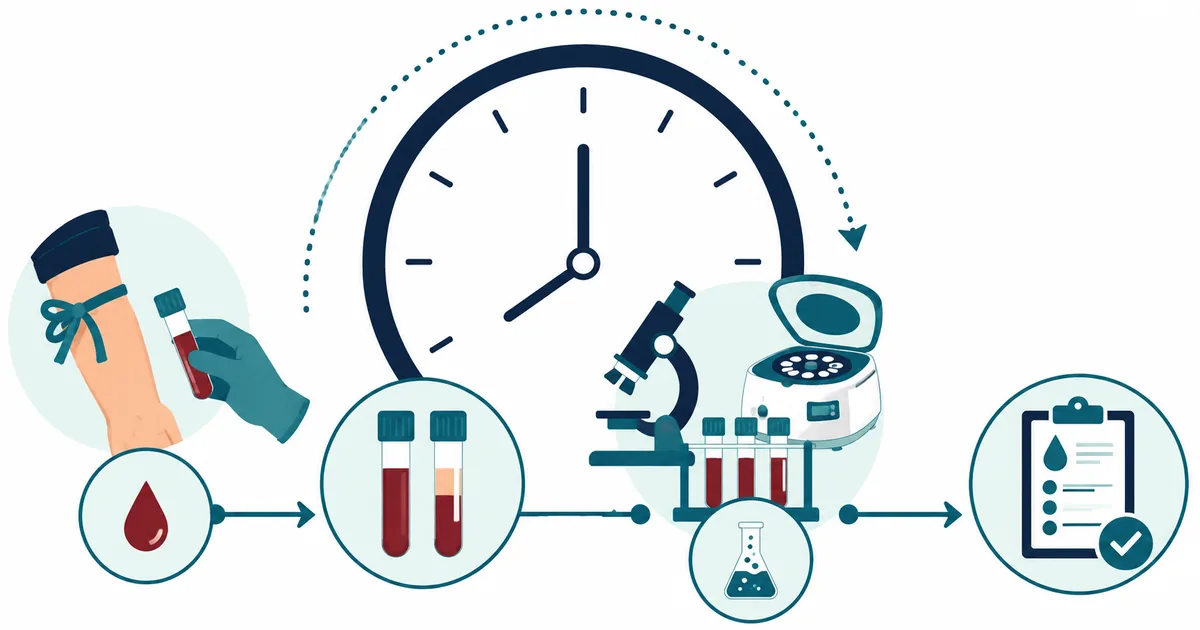
How Long Do Blood Test Results Take? Blood test results can take anywhere from the same day to several weeks, depending on the type of test, how urgent it is, where the sample is processed, and whether the result needs review or confirmation. For many routine blood tests, results may be available within a few … Read more
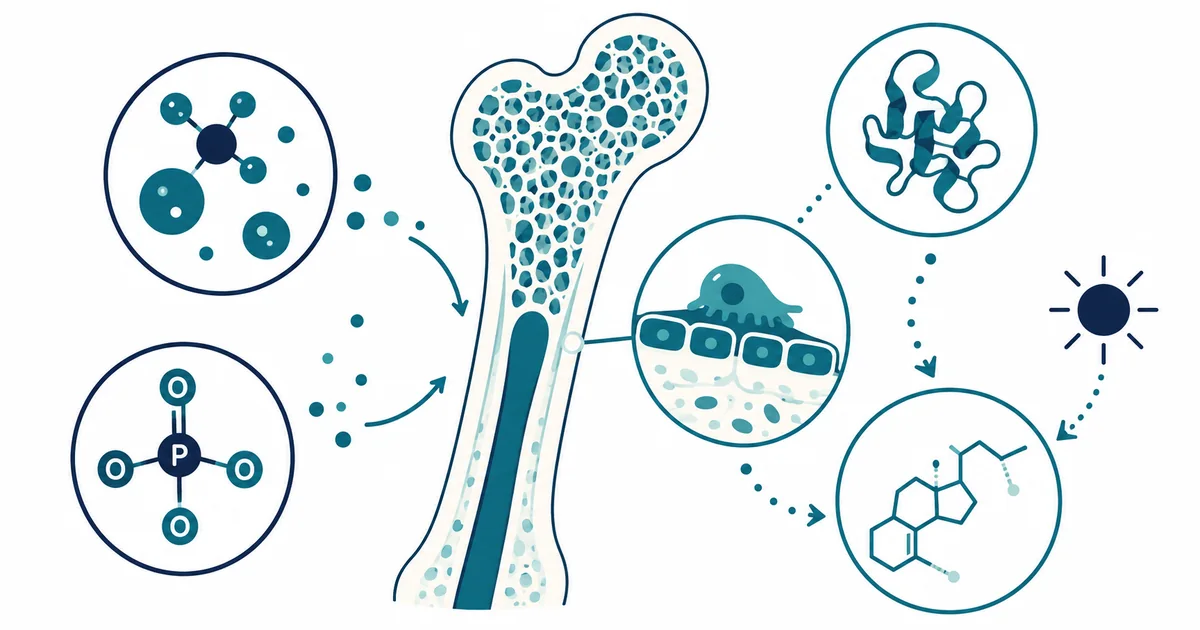
A bone profile blood test measures calcium, phosphate, alkaline phosphatase (ALP), and sometimes vitamin D to assess bone health and mineral metabolism. This guide explains each component.
Urinalysis examines the physical, chemical, and microscopic properties of urine to detect kidney disease, infection, diabetes, and more. This guide explains what each component measures.