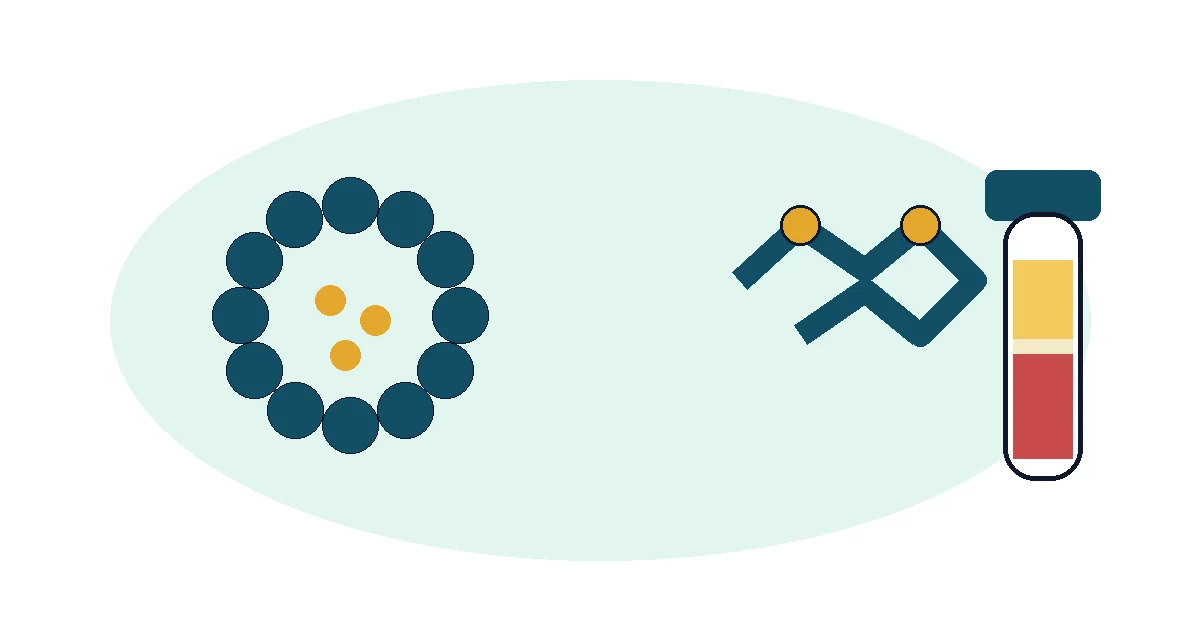
Ferritin and serum iron both relate to iron, but they measure different parts of iron metabolism. Ferritin is mainly used as a marker of stored iron, while serum iron measures iron circulating in the blood at the time the sample is taken, much of it carried by transferrin. This is why one result cannot simply … Read more
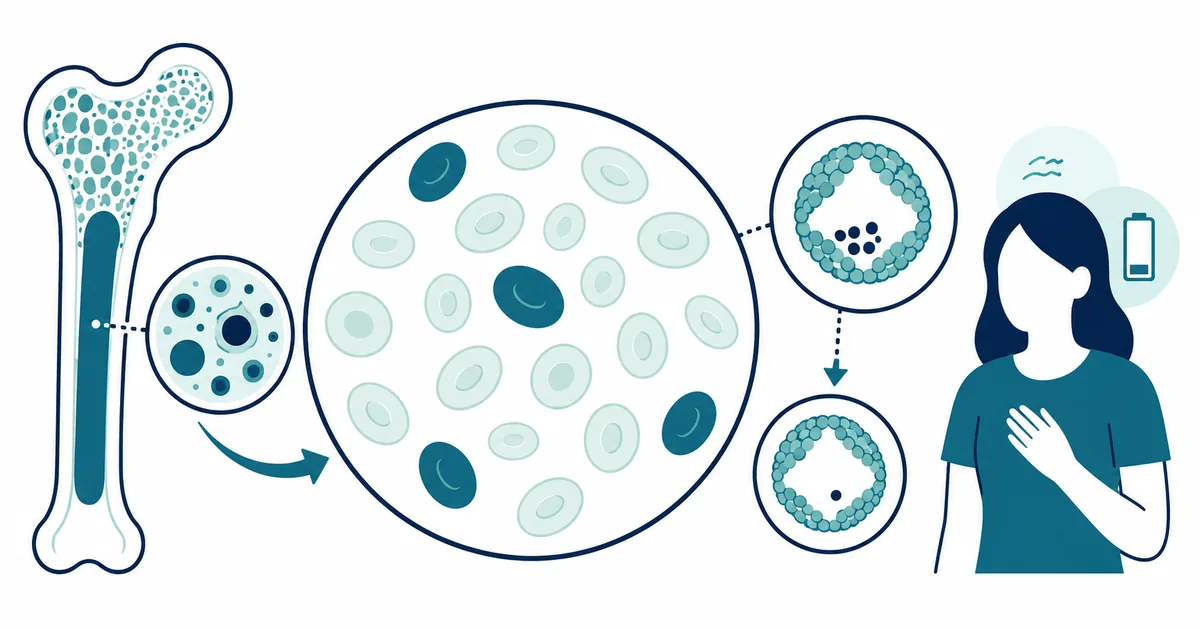
Iron Deficiency Anaemia Explained Iron deficiency anaemia happens when the body does not have enough iron to make healthy red blood cells and haemoglobin. Haemoglobin is the protein in red blood cells that carries oxygen. Iron deficiency can develop before anaemia appears. This means someone may have low iron stores first, then later develop low … Read more
Reticulocyte Count Explained A reticulocyte count is a blood test that measures immature red blood cells in the blood. Reticulocytes are young red blood cells that have recently been released from the bone marrow. They usually mature into fully developed red blood cells within about one to two days. This makes the reticulocyte count useful … Read more
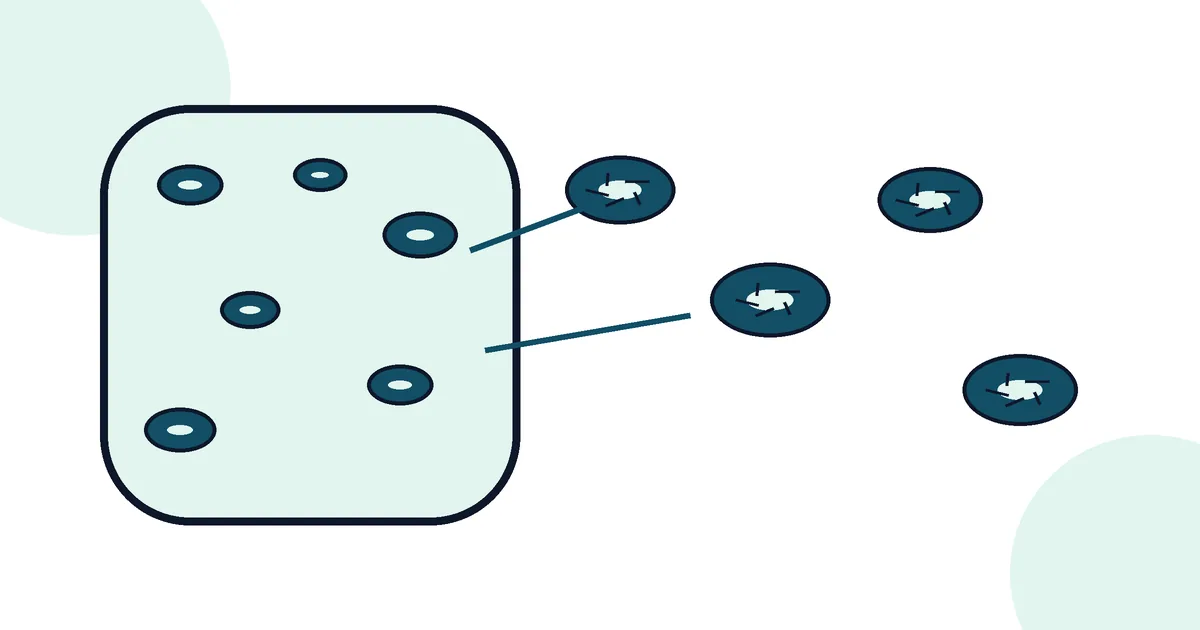
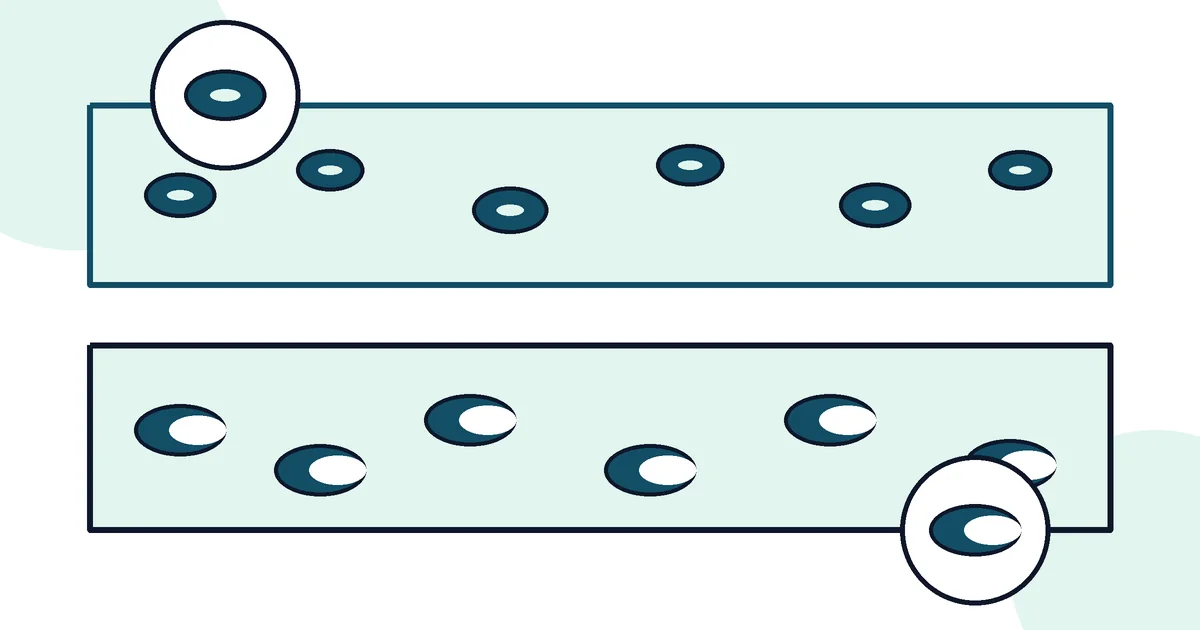
A blood film examination is a laboratory test where a thin layer of blood is spread onto a glass slide, stained, and examined under a microscope. It is also called a blood smear, peripheral blood smear, peripheral blood film, manual differential, or blood cell morphology review. A blood film gives visual information about red blood … Read more
A D-dimer test is a blood test that looks for D-dimer, a small protein fragment made when a blood clot breaks down. It is often used when healthcare professionals are assessing whether a person may need further testing for a blood clotting disorder. D-dimer is closely linked to clot formation and clot breakdown. MedlinePlus explains … Read more
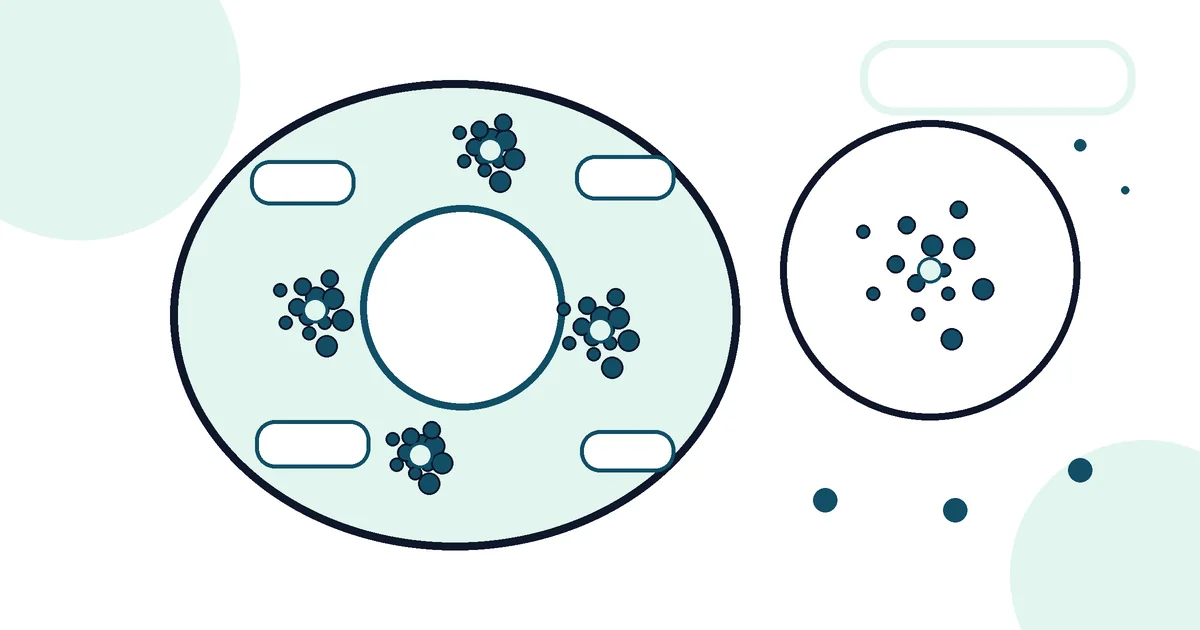
PT, INR and APTT are blood tests that help assess how long it takes blood to form a clot. They are often grouped under the wider heading of coagulation tests, clotting tests, or haemostasis tests. If you see these acronyms on a blood test report, the laboratory is checking part of the blood clotting system. … Read more
Learn how sickle cell disease develops from a single gene mutation, what happens to red blood cells, and how haematology laboratories diagnose and monitor the condition.
Explore the main types of anaemia, their underlying causes, and how full blood count and other laboratory tests are used to classify and diagnose them.
Coagulation tests including PT, INR, APTT, fibrinogen, and D-dimer assess the blood’s ability to clot. This guide explains what each test measures and when it is used.